The Renaissance of Made-in-America: Why Local Manufacturing is the Future
Explore how American manufacturing is experiencing a powerful resurgence, driven by technology, sustainability, and changing consumer values.
January 9, 2026
•
By F3 Team
The Renaissance of Made-in-America: Why Local Manufacturing is the Future
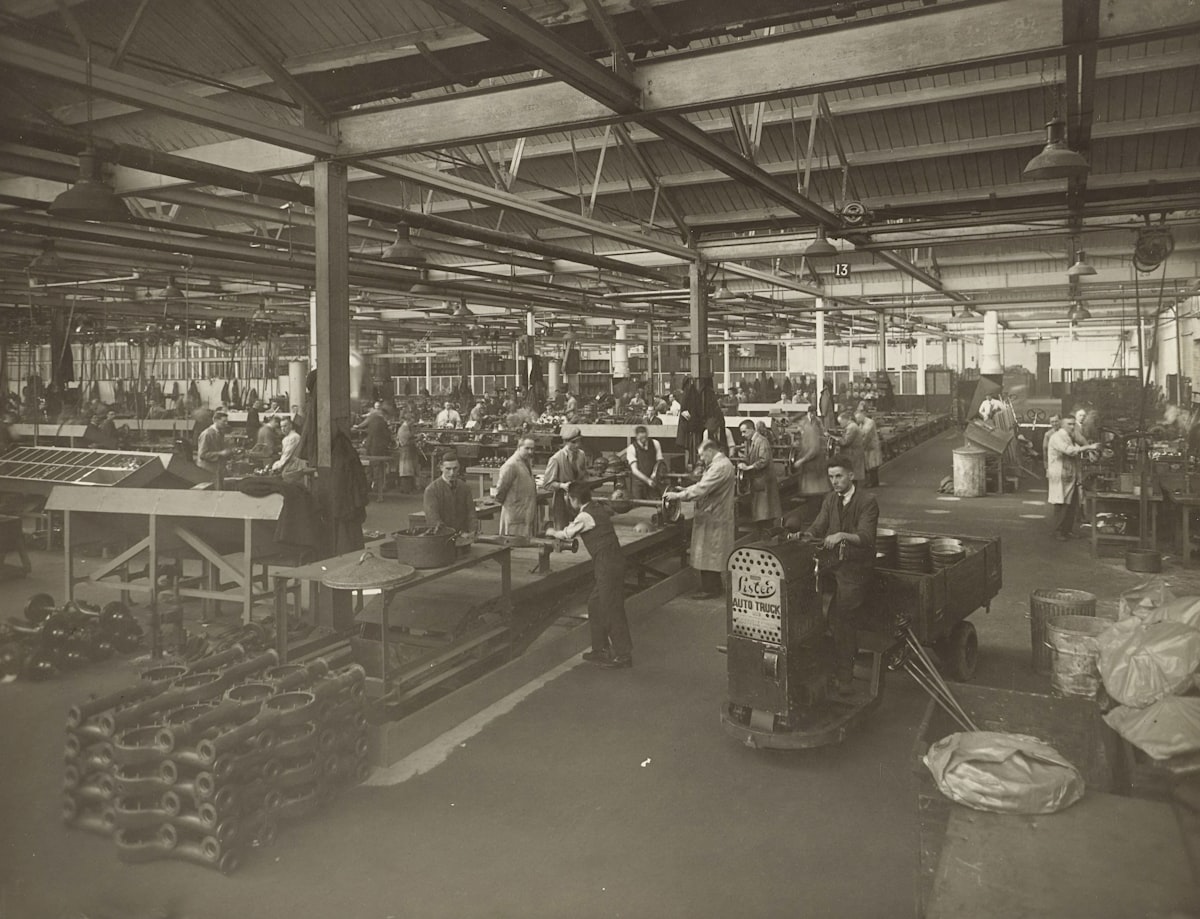
American manufacturing is experiencing something remarkable—a renaissance that’s reshaping how we think about production, quality, and economic opportunity. From the historic mill cities of Massachusetts to modern fabrication facilities across the nation, a new generation of makers is proving that “Made in America” isn’t just a nostalgic slogan—it’s a competitive advantage.
This transformation is particularly evident in cities like Fall River, Massachusetts, where the echoes of America’s industrial past are inspiring a new chapter of manufacturing innovation. The same spirit that once powered textile mills along the Taunton River now drives modern makers who are scaling from hobby workshops to commercial production facilities.
The Perfect Storm Driving American Manufacturing Forward
Several converging forces are creating unprecedented opportunities for domestic manufacturing. Supply chain disruptions exposed the vulnerabilities of overseas production, while rising labor costs abroad have narrowed the price gap that once made international manufacturing the default choice.
Consumer preferences are shifting dramatically. Today’s buyers increasingly value transparency, sustainability, and supporting local economies. A 2023 survey by Boston Consulting Group found that 70% of American consumers are willing to pay a premium for products made domestically—a significant increase from just 45% in 2019.
Technology is the great equalizer. Advanced manufacturing tools, from CNC machines to 3D printers, are more accessible than ever. What once required massive capital investment can now be achieved in shared manufacturing spaces and incubators, democratizing production capabilities.
Technology as the Great Manufacturing Equalizer
Modern manufacturing technology is leveling the playing field in ways that would have seemed impossible just a decade ago. Computer-controlled machinery allows small-batch production to achieve the precision and consistency once reserved for high-volume manufacturing.
Consider how additive manufacturing (3D printing) is revolutionizing prototyping and small-run production. A craftsperson in Fall River can now iterate on product designs in days rather than weeks, test market demand without massive inventory investments, and customize products for niche markets that wouldn’t support traditional mass production.
Digital design tools and cloud-based manufacturing networks are connecting local makers with global markets. An artisan furniture maker can now use CAD software to perfect designs, CNC routers for precision cutting, and e-commerce platforms to reach customers nationwide—all while maintaining the personal touch and quality control that defines American craftsmanship.
The key for emerging manufacturers is embracing these tools strategically. Start with one technology that addresses your biggest production bottleneck, master it thoroughly, then expand your capabilities systematically. This approach allows for manageable growth without overwhelming initial investments.
Sustainability: The Competitive Edge of Local Production
Environmental consciousness is no longer a nice-to-have—it’s a market differentiator. Local manufacturing dramatically reduces transportation emissions, supports circular economy principles, and allows for better control over production processes.
Short supply chains mean manufacturers can respond quickly to quality issues and maintain closer relationships with suppliers. This proximity enables the kind of collaborative problem-solving that leads to innovative materials and processes. For example, a furniture maker working with local lumber suppliers can develop custom finishing techniques that wouldn’t be possible with overseas production partners.
Waste reduction becomes economically viable at smaller scales. Local manufacturers can implement closed-loop systems where one company’s waste becomes another’s raw material. These industrial ecology approaches are already emerging in manufacturing clusters across New England.
To capitalize on sustainability as a competitive advantage, manufacturers should document and communicate their environmental practices. Today’s consumers want the story behind the product—how it’s made, by whom, and with what environmental impact.
Building Resilient Supply Chains Close to Home
The COVID-19 pandemic revealed the fragility of global supply chains, but it also highlighted the resilience of local manufacturing networks. Companies with domestic suppliers were able to pivot more quickly and maintain production when international logistics ground to a halt.
Building resilient supply chains requires intentional relationship-building with local and regional suppliers. This might mean paying slightly higher costs upfront, but the benefits—reliability, quality control, faster response times, and reduced risk—often justify the investment.
Successful local manufacturers are also diversifying their supplier base. Rather than depending on a single source for critical materials, they’re developing relationships with multiple suppliers, including some they can partner with on innovation and process improvements.
For makers transitioning from hobby to commercial production, start mapping your supply chain early. Identify which materials and components are available locally, where you might need regional suppliers, and which items truly require international sourcing. This analysis will inform your production planning and help you communicate your local manufacturing story to customers.
The Path Forward: Scaling Smart in the New Manufacturing Economy
The future of American manufacturing isn’t about returning to the industrial models of the past—it’s about combining the innovation and adaptability of the maker movement with the efficiency and quality systems of modern production.
Successful scaling requires three key elements: technology adoption that amplifies human skills rather than replacing them, business models that prioritize sustainable growth over rapid expansion, and community connections that create mutual support networks among local manufacturers.
The most promising opportunities exist at the intersection of traditional craftsmanship and modern technology. Think custom metalwork using laser cutting and traditional welding skills, or furniture makers combining time-honored joinery techniques with CNC precision.
Fall River’s manufacturing heritage provides a powerful reminder that industrial success isn’t just about individual companies—it’s about creating ecosystems where makers, suppliers, service providers, and skilled workers support each other’s growth.
Ready to Join the Made-in-America Renaissance?
The renaissance of American manufacturing is creating unprecedented opportunities for makers ready to scale from hobby to commercial production. Whether you’re perfecting a product design, building your first production run, or ready to expand your manufacturing capabilities, the time to act is now.
At F3 (Forge, Fiber & Fabrication) in Fall River, we’re helping artisan makers navigate this transformation with access to advanced manufacturing equipment, business development support, and a community of fellow entrepreneurs. Ready to be part of Fall River’s next manufacturing chapter? Contact us today to learn how we can help you scale your vision into a thriving American manufacturing business.
TAGS:
Ready to Transform Your Artisan Business?
Join F3 and get access to equipment, mentorship, and a community of makers scaling to commercial production.