Reshoring Revolution: How Made-in-America Products Are Reclaiming the Market
Explore the powerful resurgence of American manufacturing and learn actionable strategies to position your products in this growing market trend.
December 21, 2025
•
By F3 Team
The tide is turning in American manufacturing. After decades of offshore production dominating the market, a powerful reshoring movement is bringing production back to U.S. soil—and creating unprecedented opportunities for artisan makers and small manufacturers to scale their operations.
From Fall River’s historic textile mills to today’s high-tech fabrication facilities, American manufacturing is experiencing a renaissance driven by changing consumer values, supply chain vulnerabilities, and technological advances that level the playing field for smaller producers.
Why Made-in-America Is Having Its Moment
The pandemic exposed critical weaknesses in global supply chains, but the shift toward domestic production started well before 2020. Today’s consumers increasingly value transparency, sustainability, and supporting local economies—factors that made-in-America products deliver in spades.
Recent surveys show that 83% of Americans are willing to pay more for products made domestically, with millennials and Gen Z leading the charge. This isn’t just patriotic sentiment; it’s practical economics. When shipping costs soar and delivery times stretch into months, local production offers reliability that overseas manufacturing simply can’t match.
Fall River exemplifies this transformation. Once the textile capital of America, our city is reimagining manufacturing for the 21st century. Where massive mills once produced fabric for the world, today’s makers are creating everything from artisanal foods to precision-engineered components, proving that American manufacturing can be both innovative and competitive.
Technology as the Great Equalizer
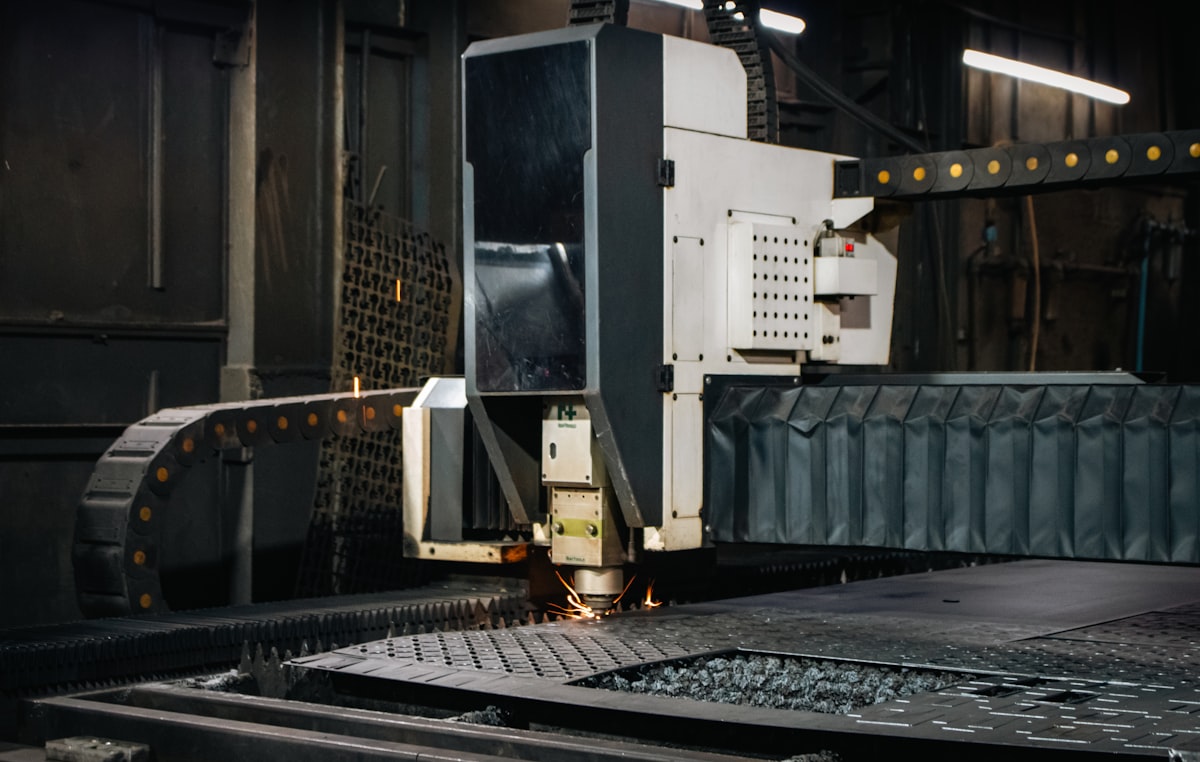
Modern manufacturing technology is democratizing production in ways that would have seemed impossible just a decade ago. Advanced CNC machines, 3D printing, and automated systems are now accessible to small manufacturers, enabling them to compete with larger operations while maintaining the flexibility that big factories lack.
Consider how a small furniture maker can now use computer-controlled routing equipment to achieve precision that once required a team of master craftsmen, or how a food producer can implement automated packaging systems that ensure consistency while maintaining artisanal quality. These technologies don’t replace craftsmanship—they amplify it.
The key is understanding which technologies align with your production goals. A jewelry maker might benefit from precision 3D printing for prototypes and intricate components, while a textile producer could leverage automated cutting systems to reduce waste and improve efficiency. The goal isn’t to automate everything, but to strategically implement tools that enhance your unique value proposition.
Building Sustainable Supply Chains at Home
One of the strongest arguments for made-in-America production is sustainability. Shorter supply chains mean reduced transportation emissions, better visibility into sourcing practices, and the ability to respond quickly to market demands without maintaining massive inventories.
Smart manufacturers are building networks of regional suppliers, creating resilient supply chains that support multiple businesses in their area. A furniture maker might source wood from regional sawmills, hardware from a local metalworker, and finishing supplies from a regional distributor. This approach reduces costs, improves quality control, and creates a stronger local manufacturing ecosystem.
The environmental benefits extend beyond transportation. American manufacturing facilities operate under stricter environmental regulations than many overseas alternatives, and proximity allows for better monitoring and verification of sustainable practices. For brands targeting environmentally conscious consumers, these factors create compelling marketing advantages.
Marketing Your Made-in-America Story
Having a great domestic product is only half the battle—you need to communicate its value effectively. The most successful made-in-America brands don’t just slap a flag on their packaging; they tell authentic stories about their people, processes, and communities.
Take inspiration from companies like Red Wing Shoes, which showcases its Minnesota heritage and craftspeople, or Lodge Cast Iron, which celebrates its Tennessee roots and traditional manufacturing methods. These brands understand that made-in-America isn’t just about geography—it’s about values, quality, and community.
Your marketing should highlight specific advantages: faster shipping times, easier returns and customer service, support for American jobs, and reduced environmental impact. Use social media to show your production process, introduce your team, and connect with local customers who can become powerful advocates for your brand.
Don’t forget digital marketing strategies that help local customers find you. Local SEO, Google My Business optimization, and community partnerships can drive significant traffic and sales, especially as consumers increasingly seek out local alternatives to mass-produced goods.
Scaling Smart: From Artisan to Commercial Producer
The transition from hobby or small-scale production to commercial manufacturing requires careful planning and strategic investment. The most successful makers focus on scalable processes while maintaining the quality and uniqueness that differentiated them in the first place.
Start by identifying your production bottlenecks. Is it sourcing materials, manufacturing capacity, quality control, or fulfillment? Address these systematically, investing in solutions that can grow with your business. A pottery studio might start with a larger kiln and better clay preparation equipment before considering automated glazing systems.
Consider partnerships with other local manufacturers for complementary services. A clothing designer might partner with a local screen printer for custom graphics, or a food producer might work with a co-packing facility for larger orders. These relationships allow you to scale without massive capital investments while supporting the broader manufacturing community.
Financial planning is crucial. Made-in-America production often requires higher upfront investments but delivers better margins and more predictable costs over time. Work with advisors who understand manufacturing to develop realistic projections and funding strategies.
The Path Forward for American Makers
The future of made-in-America products isn’t about competing solely on price—it’s about delivering superior value through quality, service, sustainability, and innovation. Successful manufacturers will be those who embrace technology while maintaining their artisanal edge, build strong local networks while reaching global markets, and communicate their unique value proposition effectively.
The opportunity is real and growing. Government initiatives supporting domestic manufacturing, consumer preference shifts, and technological advances are aligning to create the most favorable environment for American manufacturing in generations.
For makers ready to scale from hobby to commercial production, the time is now. The infrastructure, technology, and market demand are in place—the question is whether you’re ready to seize the opportunity.
Ready to transform your artisan craft into a thriving made-in-America business? F3 (Forge, Fiber & Fabrication) in Fall River provides the resources, mentorship, and community you need to scale successfully. From advanced manufacturing equipment to business development support, we help makers navigate the journey from hobby to commercial success. Contact us today to learn how we can help you become part of America’s manufacturing renaissance.
TAGS:
Ready to Transform Your Artisan Business?
Join F3 and get access to equipment, mentorship, and a community of makers scaling to commercial production.