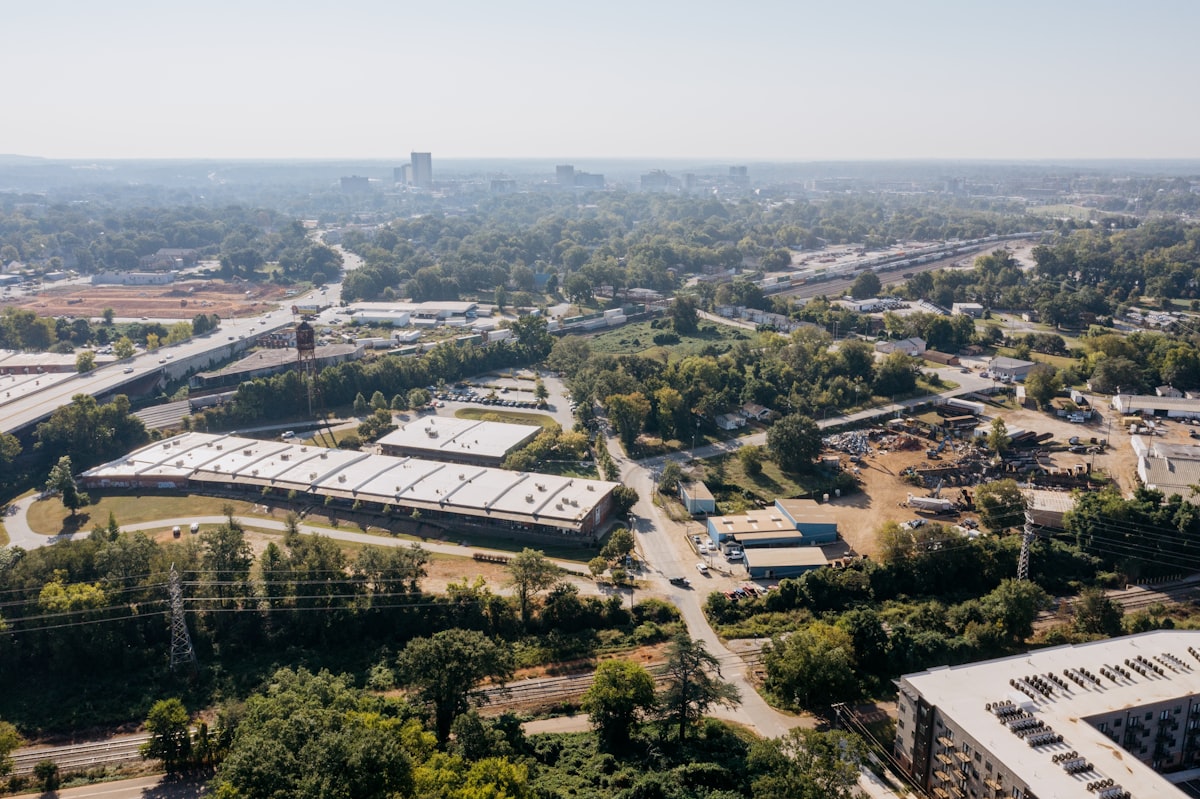
Gateway Cities: The Hidden Manufacturing Powerhouses Driving America's Industrial Renaissance
Learn how Gateway Cities like Fall River are becoming manufacturing hubs through strategic advantages in location, talent, and infrastructure.
February 24, 2026
•
By F3 Team
Gateway Cities: The Hidden Manufacturing Powerhouses Driving America’s Industrial Renaissance
While major metropolitan areas often dominate manufacturing headlines, a quieter revolution is taking place in America’s Gateway Cities. These mid-sized urban centers—places like Fall River, Massachusetts; Lowell, Massachusetts; and Springfield, Illinois—are emerging as the unexpected champions of modern manufacturing growth. For makers and manufacturers looking to scale their operations, these cities offer a compelling combination of advantages that larger markets simply can’t match.
What Makes Gateway Cities Manufacturing Goldmines
Gateway Cities are typically defined as mid-sized urban centers with populations between 35,000 and 250,000, featuring diverse demographics and serving as economic anchors for their regions. What sets them apart in the manufacturing landscape is their unique position between urban resources and small-town accessibility.
These cities offer manufacturers several critical advantages: lower operational costs, available industrial space, established transportation networks, and—perhaps most importantly—access to skilled workforces without the premium pricing of major metropolitan markets. For artisan makers transitioning from hobby to commercial production, this combination can mean the difference between sustainable growth and unsustainable overhead.
Take Fall River, for example. Once the textile capital of America, the city has maintained its industrial DNA while adapting to modern manufacturing needs. The existing infrastructure—from rail connections to industrial buildings designed for manufacturing—provides an immediate foundation that would cost millions to replicate elsewhere.
The Infrastructure Advantage: Built for Making
One of the most significant advantages Gateway Cities offer is their manufacturing-ready infrastructure. Unlike cities that have primarily developed around service industries, these communities were literally built to make things.
Fall River’s industrial heritage has left the city with robust electrical grids designed to handle heavy machinery, buildings with appropriate floor loads for manufacturing equipment, and transportation networks that were designed to move goods efficiently. This existing infrastructure means manufacturers can often find turn-key facilities rather than investing in expensive build-outs.
Moreover, Gateway Cities typically offer more flexible zoning for light manufacturing and maker spaces. While major cities increasingly push manufacturing to distant industrial parks, Gateway Cities often welcome production facilities in mixed-use areas, reducing logistics costs and improving access to urban amenities for workers.
The transportation advantages are equally compelling. Many Gateway Cities sit at the intersection of major highways, rail lines, and shipping routes—legacy benefits from their industrial past that remain relevant today. Fall River’s position between Boston and New York, with access to major highways and proximity to ports, exemplifies this strategic advantage.
Talent Pool: Skilled Workers Without the Premium
Gateway Cities often house surprising concentrations of manufacturing talent. These communities maintained industrial workforces even as manufacturing declined, creating pools of experienced workers who understand production environments, quality standards, and the discipline required for commercial manufacturing.
What’s particularly valuable for growing manufacturers is that these workers typically command lower wages than their counterparts in major metropolitan areas, while often demonstrating higher loyalty and lower turnover. The cost of living advantages in Gateway Cities mean that competitive wages go further, creating a win-win situation for both employers and employees.
Additionally, many Gateway Cities are home to community colleges and technical schools that specifically train workers for manufacturing roles. Fall River’s proximity to institutions offering programs in advanced manufacturing, robotics, and technical trades means businesses can tap into a steady pipeline of newly trained workers while also accessing continuing education resources for existing staff.
Economic Development Support: Cities That Want Manufacturing
Unlike major metropolitan areas that may view manufacturing as outdated or undesirable, Gateway Cities typically embrace manufacturers with open arms. Local economic development agencies in these communities understand that manufacturing brings stable, well-paying jobs and contributes significantly to the local tax base.
This enthusiasm translates into tangible benefits: streamlined permitting processes, tax incentives, workforce development partnerships, and active assistance in finding suitable facilities. Many Gateway Cities have established manufacturing-focused incubators and maker spaces—like F3 in Fall River—that provide specialized support for businesses transitioning from artisan production to commercial manufacturing.
The economic multiplier effect in Gateway Cities is also more pronounced. When a manufacturer succeeds in a smaller community, the impact on local suppliers, service providers, and the broader economy is more visible and significant than it would be in a larger market.
Strategic Location Benefits: The Sweet Spot for Distribution
Many Gateway Cities occupy strategic positions that offer significant logistics advantages. They’re often close enough to major markets to serve them efficiently while being far enough away to avoid the congestion and costs of those markets.
For manufacturers serving regional or national markets, Gateway Cities can offer the perfect balance of accessibility and efficiency. Fall River manufacturers, for instance, can reach major Northeast markets within hours while operating from facilities that cost a fraction of what similar space would cost in Boston or New York.
This positioning advantage extends beyond just shipping finished goods. Gateway Cities often provide better access to diverse supplier networks, allowing manufacturers to source materials and components from multiple regions efficiently.
Making the Gateway City Advantage Work for Your Business
To leverage Gateway Cities effectively, manufacturers should focus on several key strategies:
Community Integration: Successful Gateway City manufacturers become part of the community fabric. This means hiring locally, partnering with educational institutions, and participating in local business networks.
Infrastructure Assessment: Carefully evaluate the specific infrastructure needs of your operation against what’s available. While Gateway Cities offer great facilities, ensuring alignment between your needs and available resources is crucial.
Workforce Development: Take advantage of local training programs and consider partnerships with educational institutions to develop the specific skills your operation requires.
Regional Thinking: Approach Gateway Cities as regional manufacturing bases rather than purely local operations. Their strategic positions often make them ideal for serving broader markets.
Gateway Cities represent one of American manufacturing’s best-kept secrets—communities with the infrastructure, workforce, and enthusiasm to support manufacturing growth at a scale and cost structure that makes sense for businesses transitioning from artisan to commercial production.
Ready to explore how Gateway City advantages can accelerate your manufacturing growth? F3 (Forge, Fiber & Fabrication) in Fall River provides the specialized support, infrastructure, and community connections you need to scale from hobby to commercial success. Contact us today to learn how our manufacturing incubator can help you leverage all the advantages Gateway Cities offer.
TAGS:
Ready to Transform Your Artisan Business?
Join F3 and get access to equipment, mentorship, and a community of makers scaling to commercial production.