From Workshop to Warehouse: A Small Manufacturer's Guide to Regulatory Compliance
Master the regulatory landscape that transforms hobby makers into commercial manufacturers with practical compliance strategies and expert insights.
February 5, 2026
•
By F3 Team
From Workshop to Warehouse: A Small Manufacturer’s Guide to Regulatory Compliance
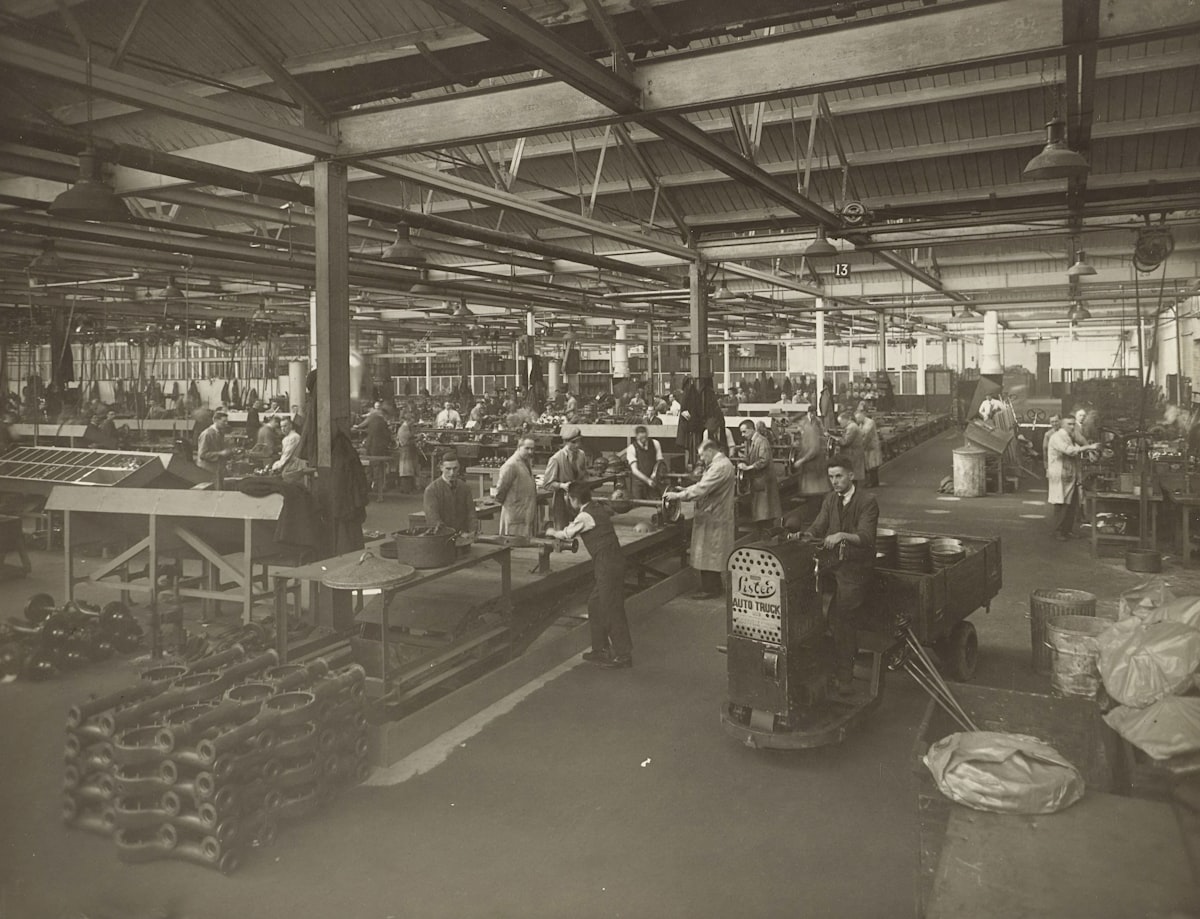
Fall River’s textile mills once powered America’s industrial revolution, but they operated in a vastly different regulatory environment than today’s manufacturers. While modern regulations might seem daunting compared to the Wild West days of 19th-century manufacturing, they’re actually designed to level the playing field and protect both businesses and consumers. For today’s artisan makers ready to scale from hobby to commercial production, understanding the regulatory landscape isn’t just about compliance—it’s about building a foundation for sustainable growth.
Navigating manufacturing regulations doesn’t have to derail your entrepreneurial dreams. With the right approach and understanding, regulatory compliance becomes a competitive advantage rather than a roadblock.
Understanding Your Regulatory Starting Point
Before diving into specific regulations, you need to map your regulatory territory. This starts with three fundamental questions: What are you making? How are you making it? And who are you selling to?
Your product category determines your primary regulatory framework. Food manufacturers fall under FDA jurisdiction, while textile producers might face CPSC regulations. Electronics manufacturers deal with FCC requirements, and anyone using chemicals encounters EPA oversight. Each industry has its own alphabet soup of agencies and requirements.
Location matters too. Manufacturing in Fall River means navigating federal, Massachusetts state, and local regulations. The good news? Massachusetts has historically been manufacturing-friendly, with programs designed to support small businesses through the compliance process.
Start by creating a regulatory inventory. List every material you use, every process you employ, and every market you plan to enter. This becomes your compliance roadmap. For example, a small furniture maker using certain stains and finishes might need to comply with VOC (Volatile Organic Compound) regulations, obtain air quality permits, and ensure products meet flammability standards if selling to commercial markets.
Essential Federal Regulations Every Small Manufacturer Should Know
Certain federal regulations touch virtually every manufacturing operation, regardless of industry. Understanding these universal requirements helps you build a solid compliance foundation.
OSHA (Occupational Safety and Health Administration) requirements kick in once you have employees. Even with just one employee, you’ll need safety protocols, hazard communication programs, and potentially specific safety equipment depending on your processes. The investment in safety equipment and training pays dividends in reduced insurance costs and worker compensation claims.
EPA regulations affect most manufacturers through waste disposal, air emissions, or water discharge requirements. Even small operations generate waste streams that require proper handling. A metalworking shop, for instance, must properly dispose of cutting fluids and metal shavings, while a ceramics studio needs protocols for glaze chemicals and kiln emissions.
Product liability and safety standards vary by industry but are universal concerns. The Consumer Product Safety Commission (CPSC) oversees many consumer goods, while industry-specific organizations set voluntary standards that often become market requirements. Understanding these standards early in your design process is far more cost-effective than retrofitting compliance later.
Documentation becomes crucial at this level. Maintain records of material sources, process controls, quality checks, and any testing performed. These records protect you legally and provide valuable data for improving your processes.
State and Local Compliance: Massachusetts-Specific Considerations
Massachusetts offers both opportunities and obligations for small manufacturers. The state’s emphasis on environmental protection means stricter regulations in some areas, but also more resources to help businesses comply.
Environmental regulations in Massachusetts often exceed federal minimums. The state’s Toxics Use Reduction Act (TURA) affects manufacturers using specific chemicals above threshold amounts. While many small manufacturers won’t trigger TURA requirements initially, understanding these thresholds helps with growth planning.
Building and zoning compliance varies significantly by municipality. Fall River’s industrial heritage means many areas are already zoned for manufacturing, but you’ll still need appropriate permits for your specific operations. Fire department approvals become particularly important if you’re storing flammable materials or operating high-temperature processes.
Worker safety extends beyond federal OSHA requirements in Massachusetts. The state requires additional protections in some industries and has specific requirements for worker training and certification programs.
Local economic development offices, including Fall River’s, often provide free or low-cost assistance with permit applications and regulatory navigation. These partnerships can significantly reduce the time and cost of achieving compliance.
Building Your Compliance Management System
Successful regulatory compliance isn’t about perfect adherence from day one—it’s about building systems that grow with your business. Start with the fundamentals and expand your compliance program as you scale.
Create standard operating procedures (SOPs) for every aspect of your operation that touches on regulations. This includes material handling, quality control, waste disposal, and safety protocols. Written procedures ensure consistency and provide evidence of your commitment to compliance.
Implement a documentation system that tracks your compliance activities. This might be as simple as a binder with checklists for small operations, or a digital system for larger manufacturers. The key is consistency and accessibility. When an inspector arrives, you should be able to quickly demonstrate your compliance efforts.
Schedule regular compliance audits of your own operations. Monthly or quarterly reviews help identify potential issues before they become violations. This proactive approach also demonstrates good faith efforts to maintain compliance, which regulators typically view favorably.
Build relationships with regulatory agencies before you need them. Many agencies offer consultation services for small businesses, providing guidance without the pressure of an enforcement action. These relationships become invaluable when you’re expanding operations or entering new markets.
Turning Compliance into Competitive Advantage
Smart manufacturers view regulatory compliance as a business differentiator rather than a necessary evil. Compliance done right opens doors to markets, customers, and opportunities that aren’t available to non-compliant competitors.
Quality certifications often build on regulatory compliance requirements. ISO certifications, industry-specific quality standards, and environmental management systems all demonstrate your commitment to excellence. These certifications can justify premium pricing and open doors to larger customers who require certified suppliers.
Supply chain advantages emerge when you can demonstrate consistent compliance. Large buyers increasingly require their suppliers to meet specific regulatory and sustainability standards. Your investment in compliance today positions you for these opportunities tomorrow.
Risk mitigation through proactive compliance protects your business from costly violations, recalls, and legal issues. Insurance companies often offer better rates to manufacturers with documented compliance programs, recognizing the reduced risk profile.
Fall River’s manufacturing renaissance is being built by companies that understand compliance as a foundation for growth, not an obstacle to overcome. The city’s industrial infrastructure, combined with modern regulatory frameworks, creates an environment where compliant manufacturers can thrive.
Ready to Scale Your Manufacturing Operation?
Navigating manufacturing regulations might seem complex, but you don’t have to figure it out alone. F3 (Forge, Fiber & Fabrication) helps artisan makers in Fall River and beyond build the systems and knowledge needed to scale from hobby to commercial production successfully.
Our manufacturing incubator provides not just workspace and equipment, but also the expertise and connections you need to navigate regulatory requirements efficiently and cost-effectively. From initial compliance planning to scaling for growth, F3 supports manufacturers at every stage of their journey.
Ready to transform your maker passion into a compliant, scalable manufacturing business? Contact F3 today to learn how we can help you build a strong regulatory foundation for long-term success.
TAGS:
Ready to Transform Your Artisan Business?
Join F3 and get access to equipment, mentorship, and a community of makers scaling to commercial production.