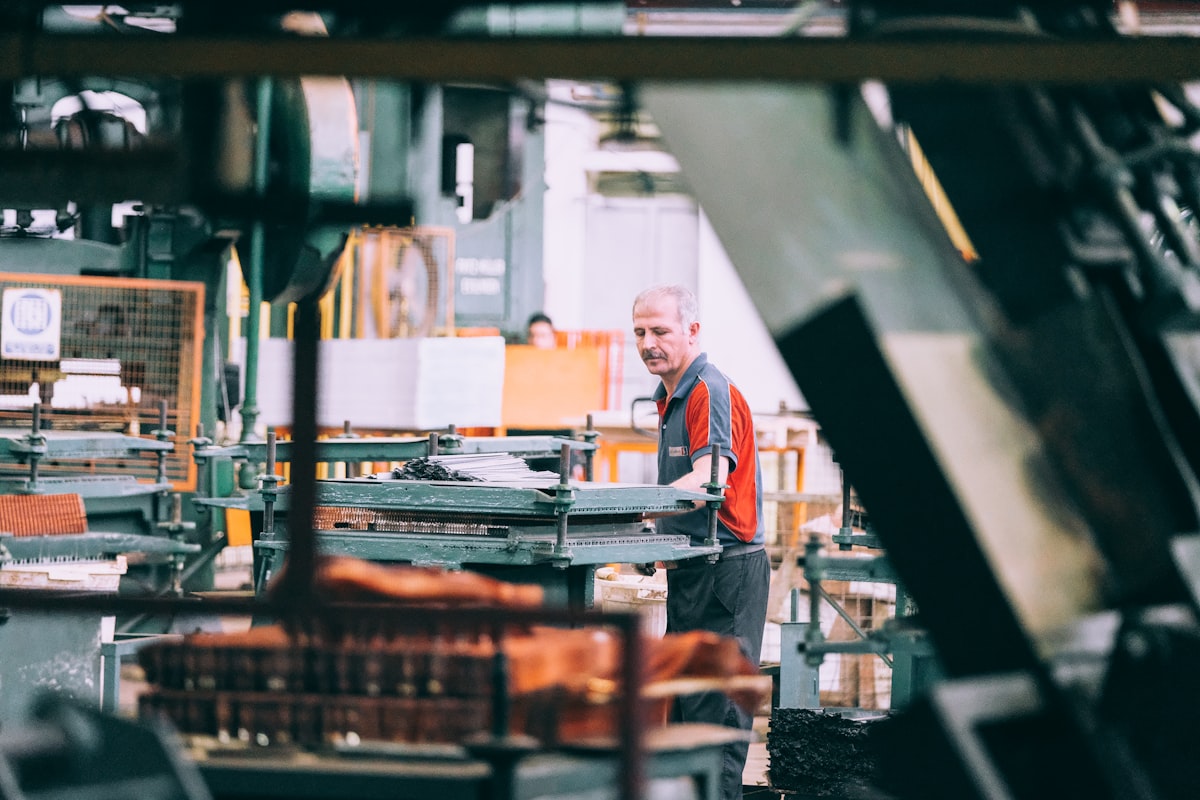
From Workshop to Production Floor: Essential Equipment for Scaling Your Artisan Business
Learn which manufacturing equipment investments matter most when transitioning from hobbyist maker to commercial artisan producer.
May 16, 2026
•
By F3 Team
From Workshop to Production Floor: Essential Equipment for Scaling Your Artisan Business
The journey from passionate hobbyist to commercial artisan manufacturer is both thrilling and daunting. One day you’re crafting beautiful pieces in your garage, and the next you’re facing orders that your current setup simply can’t handle. This transition requires more than just enthusiasm—it demands strategic equipment investments that can scale with your growing business.
Fall River’s rich manufacturing heritage, from its textile mill heyday to today’s diverse maker community, teaches us that the right tools don’t just improve productivity—they unlock possibilities. But with limited budgets and overwhelming equipment options, how do you choose wisely?
## The Foundation: Universal Equipment Every Artisan Manufacturer Needs
Regardless of your craft—whether you’re creating jewelry, furniture, textiles, or ceramics—certain equipment categories form the backbone of any successful artisan manufacturing operation.
Quality Measuring and Marking Tools Precision starts with accurate measurement. Invest in digital calipers, precision rulers, and marking gauges appropriate for your materials. A furniture maker might need a combination square and marking knife, while a jewelry artisan requires micrometer-level precision tools. These foundational tools ensure consistency across batches—critical when customers expect identical products.
Proper Workbenches and Storage Systems Your workspace is your command center. A sturdy, appropriately-sized workbench suited to your craft can dramatically improve both productivity and product quality. Pair this with modular storage systems that grow with your inventory needs. Many successful artisans underestimate how much time they waste searching for tools and materials in disorganized spaces.
Safety Equipment As production scales, so does exposure to safety risks. Professional-grade safety equipment isn’t optional—it’s essential infrastructure. This includes proper ventilation systems, fire suppression equipment, first aid stations, and personal protective equipment specific to your processes.
## Production Equipment: Choosing Tools That Scale
The leap from hobby to commercial production often hinges on acquiring equipment that can handle increased volume without sacrificing quality. This is where strategic thinking pays dividends.
Multi-Purpose Machines Over Single-Function Tools When budget is tight, prioritize versatile equipment. A quality router table with multiple jigs can replace several single-purpose woodworking tools. Similarly, a good kiln with programmable controls can handle various ceramic firing schedules, eliminating the need for multiple specialized units initially.
Semi-Automated Solutions Look for equipment that automates repetitive tasks while maintaining artisan quality. A programmable cutting machine can handle precise cuts while you focus on design and assembly. Consider tools like laser engravers, CNC routers, or automated mixing systems—investments that multiply your productive capacity without requiring additional skilled labor.
Scalable Power Tools Invest in professional-grade power tools designed for continuous use. The difference between consumer and professional equipment becomes apparent quickly under commercial demands. Professional tools offer better precision, longer lifespan, and often modular accessories that expand capabilities.
## Quality Control and Finishing Equipment
As your customer base grows, consistency becomes paramount. Quality control equipment ensures every piece meets your standards before reaching customers.
Inspection and Testing Tools Depending on your craft, this might include digital microscopes for detailed inspection, torque wrenches for assembly verification, or color-matching lights for consistent finishing. These tools catch issues before they become customer complaints.
Professional Finishing Equipment Finishing often separates amateur work from professional products. This could mean investing in spray booth systems for painters, tumbling equipment for metalworkers, or professional pressing equipment for textile artisans. Quality finishing equipment produces consistent, professional results that justify premium pricing.
Packaging and Labeling Systems Often overlooked, professional packaging equipment can significantly impact your brand perception and shipping efficiency. Label printers, heat sealers, and custom packaging tools transform your products from “handmade” to “artisan-crafted.”
## Technology Integration: Digital Tools for Modern Artisans
Today’s successful artisan manufacturers blend traditional craftsmanship with modern technology. The key is choosing technology that enhances rather than replaces your artisan touch.
Design and Prototyping Software CAD software, design programs, and 3D modeling tools allow rapid prototyping and precise planning. Many artisans resist digital design, but these tools can reduce material waste and speed product development significantly.
Production Management Systems As order volume grows, simple spreadsheets become inadequate. Invest in inventory management software, production scheduling tools, and customer relationship management systems. These digital tools prevent the administrative chaos that often derails growing artisan businesses.
Digital Documentation Tools High-quality cameras, scanners, and documentation systems help maintain quality records, create marketing materials, and preserve institutional knowledge as your business grows.
## Making Smart Investment Decisions
Equipment investments can make or break a scaling artisan business. Smart decision-making requires balancing current needs with future growth potential.
Buy Quality, Buy Once Philosophy While initial costs may be higher, professional-grade equipment typically offers better long-term value through reliability, precision, and expandability. Calculate total cost of ownership, including maintenance, rather than just purchase price.
Consider Used and Refurbished Options Many excellent machines become available as other manufacturers upgrade or close. Industrial equipment often lasts decades with proper maintenance, making used options viable for budget-conscious artisans.
Plan for Training and Support The most sophisticated equipment is worthless without proper operation knowledge. Factor training costs and ongoing technical support into your equipment decisions. Local equipment dealers often provide valuable ongoing relationships beyond the initial sale.
Phase Your Investments Avoid the temptation to buy everything at once. Develop a phased equipment plan that aligns with your business growth milestones. This approach manages cash flow while ensuring you’re not over-investing in capacity you can’t yet utilize.
The transition from artisan hobbyist to commercial manufacturer requires more than passion—it demands strategic equipment investments that honor your craft while enabling sustainable growth. Fall River’s manufacturing renaissance shows us that when artisans combine traditional skills with the right tools and support, remarkable businesses emerge.
Ready to take your artisan business to the next level? F3 (Forge, Fiber & Fabrication) provides the equipment access, technical expertise, and community support that scaling artisans need. Our Fall River facility offers shared access to professional-grade manufacturing equipment, helping you test and invest in the right tools for your growing business. Contact F3 today to explore how our manufacturing incubator can accelerate your journey from workshop to production floor.
TAGS:
Ready to Transform Your Artisan Business?
Join F3 and get access to equipment, mentorship, and a community of makers scaling to commercial production.