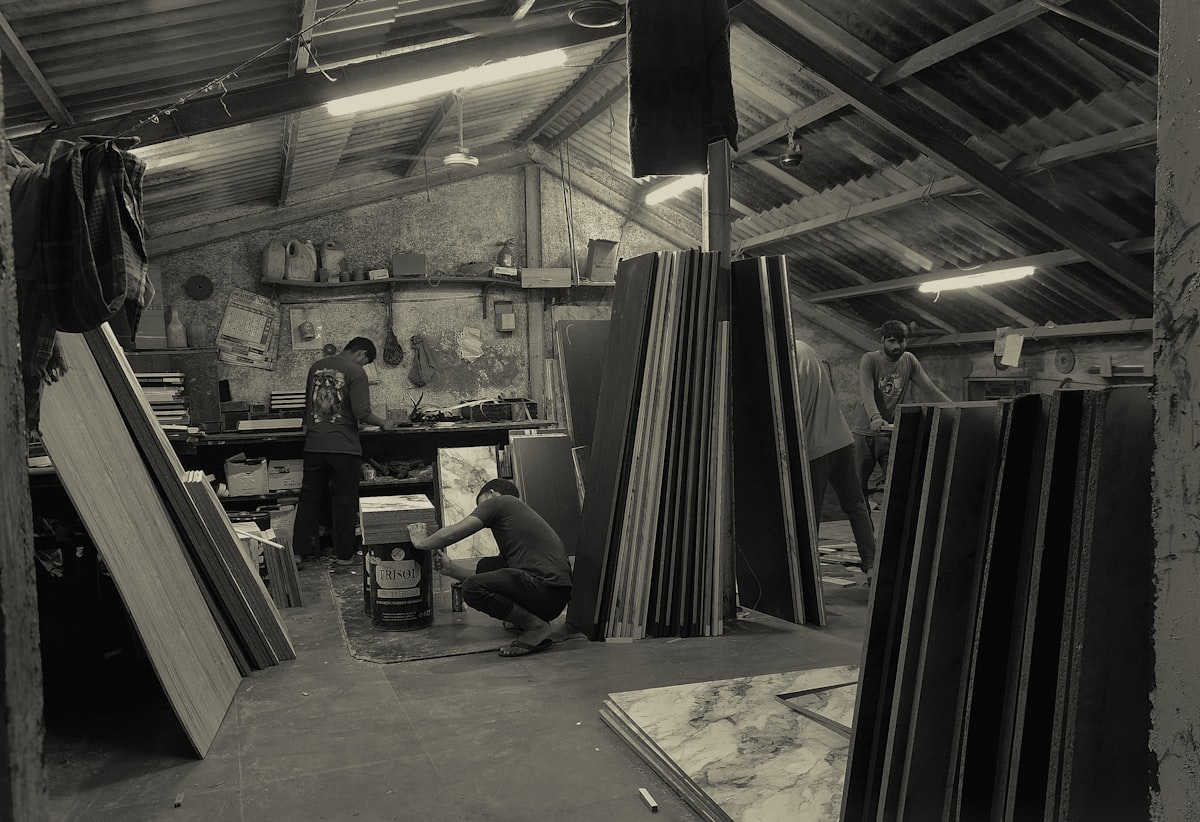
From Workshop to Market: Essential Marketing Strategies for Small Manufacturers
Master proven marketing tactics that transform small manufacturing businesses from local workshops into thriving commercial enterprises.
April 27, 2026
•
By F3 Team
From Workshop to Market: Essential Marketing Strategies for Small Manufacturers
Fall River’s textile mills once dominated global markets not just through superior manufacturing, but through strategic marketing that connected their products with customers worldwide. Today’s small manufacturers can learn from this legacy while leveraging modern tools to build their own market presence.
Transitioning from artisan maker to commercial manufacturer requires more than scaling production—it demands a fundamental shift in how you present your brand to the world. Whether you’re crafting custom furniture, producing specialty components, or manufacturing consumer goods, the right marketing strategy can mean the difference between remaining a hobby business and building a sustainable enterprise.
Know Your Market Inside and Out
Successful manufacturing marketing begins with deep market understanding. Unlike retailers who can pivot quickly, manufacturers invest significant resources in equipment, processes, and inventory. This makes market research critical before you scale.
Start by identifying your ideal customer profile. Are you targeting other businesses (B2B) or end consumers (B2C)? B2B manufacturers might focus on procurement managers at mid-sized companies, while B2C businesses need to understand consumer demographics, shopping behaviors, and pain points.
Conduct primary research through surveys, interviews, and focus groups. A furniture maker in Fall River discovered through customer interviews that buyers valued locally-sourced materials and traditional craftsmanship techniques over lower prices. This insight shaped their entire marketing message around “heritage manufacturing” and allowed them to command premium pricing.
Analyze your competition thoroughly. What marketing channels do they use? How do they position their products? What gaps exist in their messaging that you could fill? Tools like SEMrush or Ahrefs can reveal competitors’ digital marketing strategies, while trade publications and industry reports provide broader market intelligence.
Build a Strong Brand Foundation
Your brand is more than a logo—it’s the complete experience customers have with your company. For manufacturers, brand building requires balancing technical credibility with emotional connection.
Develop a clear value proposition that goes beyond product features. Instead of “We make high-quality metal components,” try “We deliver precision-engineered solutions that keep your production lines running smoothly.” This shift from features to benefits resonates more strongly with potential customers.
Your brand story should highlight what makes you unique. Fall River’s manufacturing heritage provides local businesses with a powerful narrative about craftsmanship, resilience, and American manufacturing excellence. A local metalworking shop successfully uses this positioning: “Continuing Fall River’s 200-year tradition of manufacturing excellence, one precision part at a time.”
Consistency across all touchpoints is crucial. Your website, business cards, product packaging, and trade show displays should all reflect the same professional image and messaging. Inconsistent branding confuses customers and weakens your market position.
Leverage Digital Marketing Channels
Modern manufacturers can’t rely solely on word-of-mouth and trade shows. Digital marketing provides cost-effective ways to reach potential customers and build relationships at scale.
Content Marketing works exceptionally well for manufacturers. Create valuable content that demonstrates expertise while addressing customer challenges. A specialty chemical manufacturer might publish blog posts about regulatory compliance, application guides, or industry trend analyses. This content builds trust and positions your company as a knowledgeable partner, not just a supplier.
Search Engine Optimization (SEO) helps potential customers find you when they’re actively searching for solutions. Focus on long-tail keywords that reflect specific customer needs: “custom aluminum extrusion Massachusetts” rather than just “aluminum extrusion.” Local SEO is particularly important for regional manufacturers—ensure your Google My Business listing is complete and accurate.
LinkedIn has become the primary social platform for B2B manufacturers. Share industry insights, company updates, and behind-the-scenes content showing your manufacturing process. Employee advocacy, where team members share company content, can significantly expand your reach within professional networks.
Email Marketing maintains relationships with prospects and customers. Segment your lists based on customer type, industry, or stage in the buying process. A monthly newsletter featuring new capabilities, case studies, and industry news keeps your company top-of-mind when purchasing decisions arise.
Master Trade Shows and Industry Events
Despite digital growth, face-to-face interactions remain crucial for manufacturers. Trade shows provide opportunities to demonstrate products, build relationships, and gather market intelligence.
Choose events strategically based on your target market. Regional shows might be perfect for local B2B manufacturers, while national events suit companies targeting broader markets. Research attendee demographics and exhibitor lists before committing to expensive booth spaces.
Prepare thoroughly for maximum impact. Set specific goals: generate 50 qualified leads, launch a new product line, or schedule 20 follow-up meetings. Train booth staff to ask qualifying questions and capture contact information systematically. Follow up within 48 hours while conversations remain fresh in prospects’ minds.
Consider speaking opportunities at industry conferences. Presenting case studies or sharing expertise through panel discussions positions your company as a thought leader and attracts high-quality prospects.
Build Strategic Partnerships and Networks
Manufacturing success often depends on relationships throughout the supply chain. Strategic partnerships can provide new sales channels, complementary capabilities, and valuable referrals.
Develop relationships with non-competing manufacturers who serve similar markets. A custom packaging company might partner with specialty food producers, creating mutual referral opportunities. These partnerships are particularly valuable for small manufacturers who can’t offer comprehensive solutions alone.
Join relevant trade associations and local business groups. The Massachusetts Manufacturing Extension Partnership (MassMEP) provides networking opportunities alongside technical assistance. Local chambers of commerce connect you with potential customers and referral sources in your geographic market.
Supplier relationships can become marketing assets. Suppliers often know other companies in your target market and can provide valuable introductions. Maintain strong relationships and don’t hesitate to ask for referrals when appropriate.
Customer testimonials and case studies from existing clients serve as powerful marketing tools. Document successful projects with metrics, photos, and quotes. These stories provide social proof that builds confidence among prospects facing similar challenges.
Measure, Adjust, and Scale
Effective marketing requires continuous measurement and optimization. Track key metrics that align with your business goals: website traffic, lead generation, conversion rates, and customer acquisition costs.
Use Google Analytics to understand how potential customers find and interact with your website. Which pages generate the most inquiries? What keywords drive qualified traffic? This data guides content creation and SEO efforts.
Customer Relationship Management (CRM) systems help track prospects through the sales process and measure marketing campaign effectiveness. Even simple CRM tools provide valuable insights into which marketing activities generate the highest-quality leads.
Regularly survey customers about how they discovered your company and what influenced their purchasing decisions. This feedback reveals which marketing channels work best and identifies opportunities for improvement.
As marketing efforts generate results, reinvest in the most effective channels while testing new approaches. Marketing success compounds over time as brand awareness grows and referrals increase.
Building a successful manufacturing business requires combining operational excellence with strategic marketing. Fall River’s manufacturing legacy shows that companies combining quality products with smart marketing can compete globally, regardless of size.
Ready to scale your manufacturing business from hobby to commercial success? F3 (Forge, Fiber & Fabrication) provides the resources, mentorship, and community support you need to navigate this transition. Our manufacturing incubator helps artisan makers develop both production capabilities and marketing strategies that drive sustainable growth. Contact F3 today to learn how we can help transform your workshop into a thriving commercial enterprise.
TAGS:
Ready to Transform Your Artisan Business?
Join F3 and get access to equipment, mentorship, and a community of makers scaling to commercial production.