From Maker to Manufacturer: Your Guide to Navigating Small Business Regulations
Master the regulatory landscape for small manufacturers with practical advice on safety, environmental, and industry-specific compliance requirements.
March 19, 2026
•
By F3 Team
From Maker to Manufacturer: Your Guide to Navigating Small Business Regulations
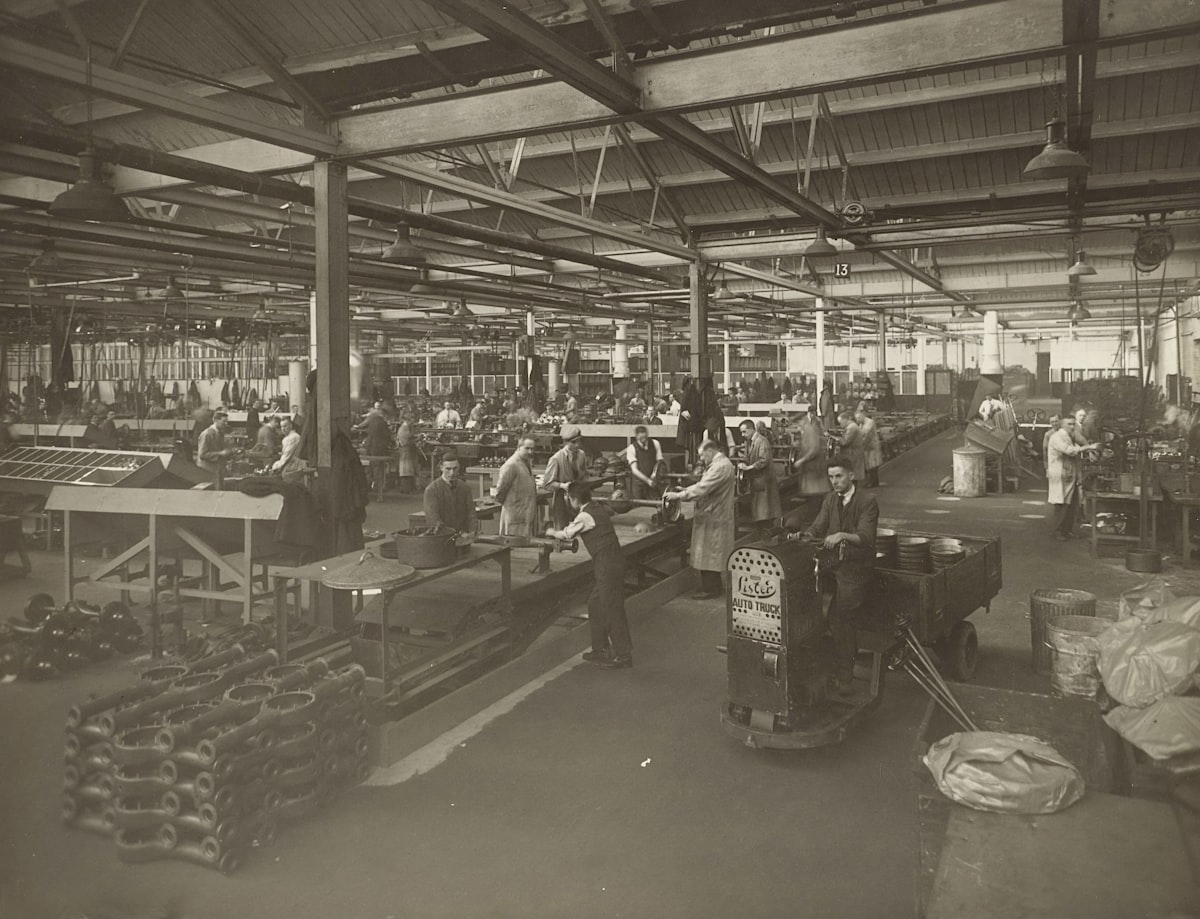
Fall River has been home to manufacturers for over two centuries, from the textile mills that once lined the Taunton River to today’s innovative artisan makers transforming raw materials into commercial products. While the scale and methods have evolved, one constant remains: the need to navigate an increasingly complex regulatory landscape.
For small manufacturers making the leap from hobby to commercial production, understanding regulations isn’t just about compliance—it’s about building a sustainable, scalable business that can thrive in today’s marketplace. The good news? With the right approach and preparation, regulatory requirements can become a competitive advantage rather than a barrier.
Understanding the Regulatory Foundation
Before diving into specific requirements, it’s crucial to understand that manufacturing regulations exist at multiple levels: federal, state, and local. Each serves a different purpose, from ensuring worker safety to protecting environmental resources and maintaining fair competition.
At the federal level, agencies like OSHA (Occupational Safety and Health Administration) and EPA (Environmental Protection Agency) set baseline standards that apply across all states. Massachusetts adds its own layer of requirements through agencies like MassDEP (Department of Environmental Protection) and the Division of Occupational Safety. Finally, Fall River and other municipalities may have specific zoning, permitting, and operational requirements.
The key to success is identifying which regulations apply to your specific manufacturing process, products, and facility. A food manufacturer will face different requirements than a furniture maker or electronics assembler. Start by clearly defining your manufacturing activities, then work systematically through each regulatory level.
Safety First: OSHA and Workplace Regulations
Workplace safety regulations might seem daunting for small manufacturers, but they’re built on common-sense principles that protect both workers and business owners. OSHA’s General Duty Clause requires employers to provide a workplace “free from recognized hazards,” which translates to practical steps most responsible makers are already considering.
Begin with a thorough hazard assessment of your manufacturing process. Document potential risks from machinery, chemicals, noise, and repetitive motions. For example, if you’re operating woodworking equipment, you’ll need proper dust collection systems, hearing protection protocols, and machine guarding. Metalworking operations require attention to ventilation, eye protection, and safe handling of cutting fluids.
Create written safety procedures and train all employees—even if that’s just yourself initially. OSHA offers extensive free resources, including consultation services for small businesses that can help identify issues before they become problems. Massachusetts also provides additional safety training programs through the Division of Occupational Safety.
Remember that good safety practices often improve efficiency and product quality while reducing insurance costs and potential liability. View safety compliance as an investment in your business’s long-term success.
Environmental Compliance: Protecting Our Shared Resources
Fall River’s manufacturing heritage includes hard-learned lessons about environmental responsibility. Today’s small manufacturers have the advantage of cleaner technologies and better understanding of environmental impacts, but they still need to navigate air, water, and waste regulations thoughtfully.
Start by identifying what your manufacturing process releases into the environment. Air emissions might include volatile organic compounds (VOCs) from paints or solvents, particulates from cutting or grinding, or combustion products from heating processes. Water discharges could involve cooling water, cleaning solutions, or process wastewater. Solid waste considerations include both hazardous materials like spent solvents and non-hazardous manufacturing byproducts.
Many small manufacturers can operate under general permits or exemptions, but it’s essential to understand the thresholds that trigger more stringent requirements. For instance, Massachusetts requires air quality permits for facilities that emit more than specific quantities of pollutants annually. Staying below these thresholds through process modifications or pollution control equipment can significantly simplify regulatory compliance.
Consider environmental compliance as an opportunity to improve efficiency. Waste reduction often translates directly to cost savings, while energy efficiency improvements can qualify for utility rebates and tax incentives.
Product-Specific Requirements: Industry Standards and Certifications
Depending on what you manufacture, your products may need to meet specific safety, performance, or labeling requirements. These regulations vary dramatically between industries but share the common goal of protecting consumers and ensuring fair competition.
Food manufacturers must comply with FDA regulations including facility registration, nutritional labeling, and Hazard Analysis and Critical Control Points (HACCP) plans. Electronics manufacturers need to understand FCC requirements for electromagnetic interference and potentially RoHS compliance for hazardous substances. Toy manufacturers must meet CPSC safety standards, while textile manufacturers may need to comply with flammability standards and country-of-origin labeling requirements.
Research industry-specific requirements early in your product development process. Some standards affect fundamental design decisions that are expensive to change later. Consider working with testing laboratories and certification bodies to understand requirements and develop compliance strategies.
Many industry associations provide excellent resources for understanding regulatory requirements. They often offer training programs, compliance checklists, and networking opportunities with other manufacturers facing similar challenges.
Building Your Compliance Strategy
Successful regulatory compliance requires a proactive, systematic approach rather than reactive responses to problems. Start by creating a compliance calendar that tracks permit renewals, inspection schedules, training requirements, and regulatory deadlines. This prevents last-minute scrambles and demonstrates good faith efforts to regulators.
Develop relationships with regulatory agencies before you need them. Most regulators prefer to help businesses achieve compliance rather than pursue enforcement actions. Attend agency workshops, participate in industry meetings, and don’t hesitate to call with questions. Building these relationships can provide valuable guidance and may lead to more favorable treatment if issues arise.
Consider working with consultants or attorneys who specialize in manufacturing regulations, especially for complex requirements or when facing enforcement actions. While professional help involves upfront costs, it’s often less expensive than compliance mistakes or penalties.
Document everything. Maintain records of training, inspections, monitoring data, and communications with regulatory agencies. Good documentation demonstrates compliance efforts and provides essential information for permit renewals and inspections.
Turning Compliance into Competitive Advantage
While regulatory compliance requires time and resources, it can become a significant competitive advantage for small manufacturers. Customers increasingly value suppliers who demonstrate environmental responsibility, worker safety, and product quality through regulatory compliance.
Many large customers now require suppliers to meet specific certifications or compliance standards. Having these qualifications can open doors to lucrative contracts that aren’t available to non-compliant competitors. Additionally, compliance often drives process improvements that reduce costs, improve quality, and increase efficiency.
Fall River’s manufacturing renaissance is built on businesses that understand regulations as part of responsible growth rather than obstacles to overcome. By approaching compliance strategically, small manufacturers can build stronger, more sustainable businesses that contribute positively to their community.
Ready to scale your artisan business while navigating regulations confidently? F3 (Forge, Fiber & Fabrication) provides the resources, mentorship, and community support you need to transform your hobby into a thriving commercial operation. Our Fall River manufacturing incubator offers hands-on guidance through regulatory challenges, helping you build a compliant, competitive business from day one. Contact F3 today to learn how we can support your manufacturing journey.
TAGS:
Ready to Transform Your Artisan Business?
Join F3 and get access to equipment, mentorship, and a community of makers scaling to commercial production.