From Craft Fair to Commerce: Your Guide to Landing First Wholesale Customers
Master the transition from direct sales to wholesale partnerships with proven strategies that connect artisan makers to their first commercial buyers.
December 10, 2025
•
By F3 Team
From Craft Fair to Commerce: Your Guide to Landing First Wholesale Customers
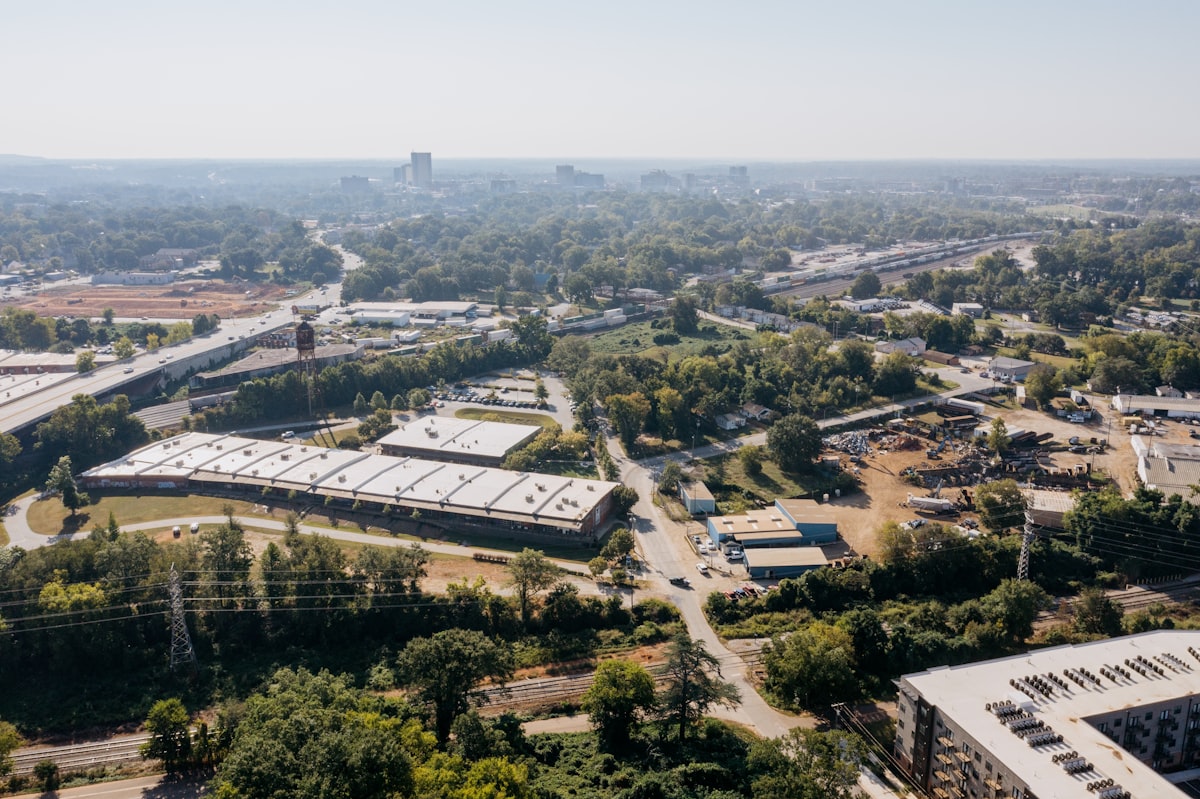
The leap from selling handmade goods at weekend markets to securing wholesale accounts can feel as daunting as Fall River’s textile mills must have seemed to the first entrepreneurs who built this manufacturing city. Yet, like those industrial pioneers who transformed raw materials into finished goods at scale, today’s artisan makers can successfully navigate the transition from hobby to commercial production—starting with finding those crucial first wholesale customers.
Whether you’re crafting leather goods, designing jewelry, or creating specialty food products, wholesale partnerships represent a fundamental shift in how you think about your business. Instead of selling one item at a time to individual consumers, you’re now selling dozens or hundreds of units to retailers who will showcase your products to their customers. It’s a change that requires preparation, strategy, and understanding of what wholesale buyers actually want.
Understanding the Wholesale Mindset
Before you start reaching out to potential wholesale customers, you need to think like a retailer. Store owners and buyers aren’t just purchasing your products—they’re investing in inventory that needs to turn a profit. They’re asking themselves: Will this product sell? Does it fit my brand? Can I price it competitively? Will my customers love it?
This means your approach needs to shift from highlighting what makes your product special to you, to demonstrating why it will be profitable for them. Consider a local jewelry maker who successfully transitioned to wholesale by repositioning their handcrafted silver rings. Instead of emphasizing the meditative process of creation, they focused on the rings’ durability, universal sizing appeal, and 60% markup potential for retailers.
Successful wholesale relationships are built on reliability and consistency. Retailers need to know you can deliver quality products on time, maintain consistent pricing, and provide adequate inventory levels. This is where Fall River’s manufacturing heritage offers valuable lessons—the mills that thrived were those that could deliver consistent quality at scale, meeting their customers’ needs reliably season after season.
Building Your Wholesale Foundation
Before approaching potential customers, ensure your business is wholesale-ready. This means having clear pricing structures, professional product photography, and detailed product specifications. Your wholesale price should typically be 50% of the suggested retail price, allowing retailers enough margin to be profitable while covering their overhead costs.
Develop a comprehensive line sheet that includes product photos, descriptions, wholesale prices, minimum order quantities, and delivery timelines. Think of this as your wholesale catalog—it should be professional, easy to read, and include all the information a buyer needs to make a decision. Include details about packaging, display options, and any point-of-sale materials you can provide.
Consider the story behind your products and how retailers can use that narrative to connect with their customers. A soap maker might emphasize locally-sourced ingredients and traditional manufacturing methods, while a furniture craftsperson could highlight sustainable wood sources and time-honored joinery techniques. These stories become selling tools for retailers, helping them differentiate your products from mass-produced alternatives.
Identifying and Approaching Potential Customers
Start your wholesale journey by identifying retailers that align with your product category and brand values. Visit stores in your area and observe what they carry, how they display products, and who their customers seem to be. Independent boutiques, specialty stores, and local chains often represent the best opportunities for new wholesale accounts.
Research online to understand each potential customer’s buying process. Some stores have designated buyers, while others are owner-operated. Look for contact information specifically related to wholesale or buying inquiries. Many retailers also attend trade shows, which can be excellent venues for making initial connections.
When reaching out, personalize your approach. Reference specific products you noticed in their store and explain how your items would complement their existing inventory. Instead of a generic email blast, craft individual messages that demonstrate you understand their business and customer base.
Consider starting with smaller, local retailers before approaching larger accounts. These relationships often provide valuable feedback about your products, packaging, and pricing while helping you refine your wholesale process. A successful partnership with a respected local boutique can also serve as a reference when approaching other potential customers.
Making the Sale and Building Relationships
Your first wholesale presentation should be professional but personal. Bring samples, line sheets, and be prepared to discuss minimum orders, payment terms, and delivery schedules. Many new wholesale relationships start with small test orders, so be flexible and view these as opportunities to prove your reliability.
Be clear about your policies upfront. What are your payment terms? Do you offer payment plans for larger orders? What’s your return policy for damaged goods? How much advance notice do you need for orders? Having these details worked out in advance prevents misunderstandings later.
Once you land that first wholesale customer, focus on exceeding expectations. Deliver on time, communicate proactively about any potential issues, and check in periodically to see how products are selling. Happy wholesale customers often become your best source of referrals to other retailers.
Consider offering additional support to help your wholesale partners succeed. This might include staff training about your products, point-of-sale materials, or social media content they can share. The more successful they are selling your products, the more likely they are to place repeat orders.
Growing Your Wholesale Network
As you build confidence and experience with wholesale accounts, consider expanding your reach through trade shows, online wholesale platforms, and industry publications. Trade shows can be significant investments, but they offer opportunities to meet multiple potential customers in a concentrated timeframe.
Online wholesale marketplaces like Faire, Handshake, or industry-specific platforms can connect you with retailers actively seeking new products. These platforms handle much of the transaction processing and often provide payment protection, making it easier to work with customers nationwide.
Maintain relationships with existing wholesale customers while pursuing new ones. Regular communication, seasonal product updates, and consistent quality will help you build a stable base of repeat customers who form the foundation of sustainable wholesale growth.
Your Next Step Toward Wholesale Success
Transitioning from individual sales to wholesale partnerships represents a significant milestone in scaling your artisan business. Like Fall River’s manufacturers who built lasting enterprises by understanding their customers’ needs and delivering consistent value, your wholesale success will depend on reliability, professionalism, and genuine partnership with retailers.
At F3 (Forge, Fiber & Fabrication), we understand the challenges makers face when scaling from hobby to commercial production. Our manufacturing incubator provides the resources, mentorship, and community support you need to build wholesale relationships that grow your business sustainably. Ready to take your artisan business to the next level? Contact F3 today to learn how we can help you navigate the transition from craft fair vendor to wholesale supplier.
TAGS:
Ready to Transform Your Artisan Business?
Join F3 and get access to equipment, mentorship, and a community of makers scaling to commercial production.