From Compliance to Competitive Advantage: Mastering Manufacturing Regulations for Small Producers
Learn how small manufacturers can navigate complex regulations efficiently while building competitive advantages through smart compliance strategies.
February 20, 2026
•
By F3 Team
From Compliance to Competitive Advantage: Mastering Manufacturing Regulations for Small Producers
For artisan makers transitioning from hobby to commercial production, the regulatory landscape can feel like navigating a maze blindfolded. What once was a simple craft project now involves federal agencies, safety standards, and compliance documentation that would make even seasoned manufacturers pause. But here’s the truth: understanding and mastering these regulations isn’t just about avoiding penalties—it’s about building a foundation for sustainable growth and competitive advantage.
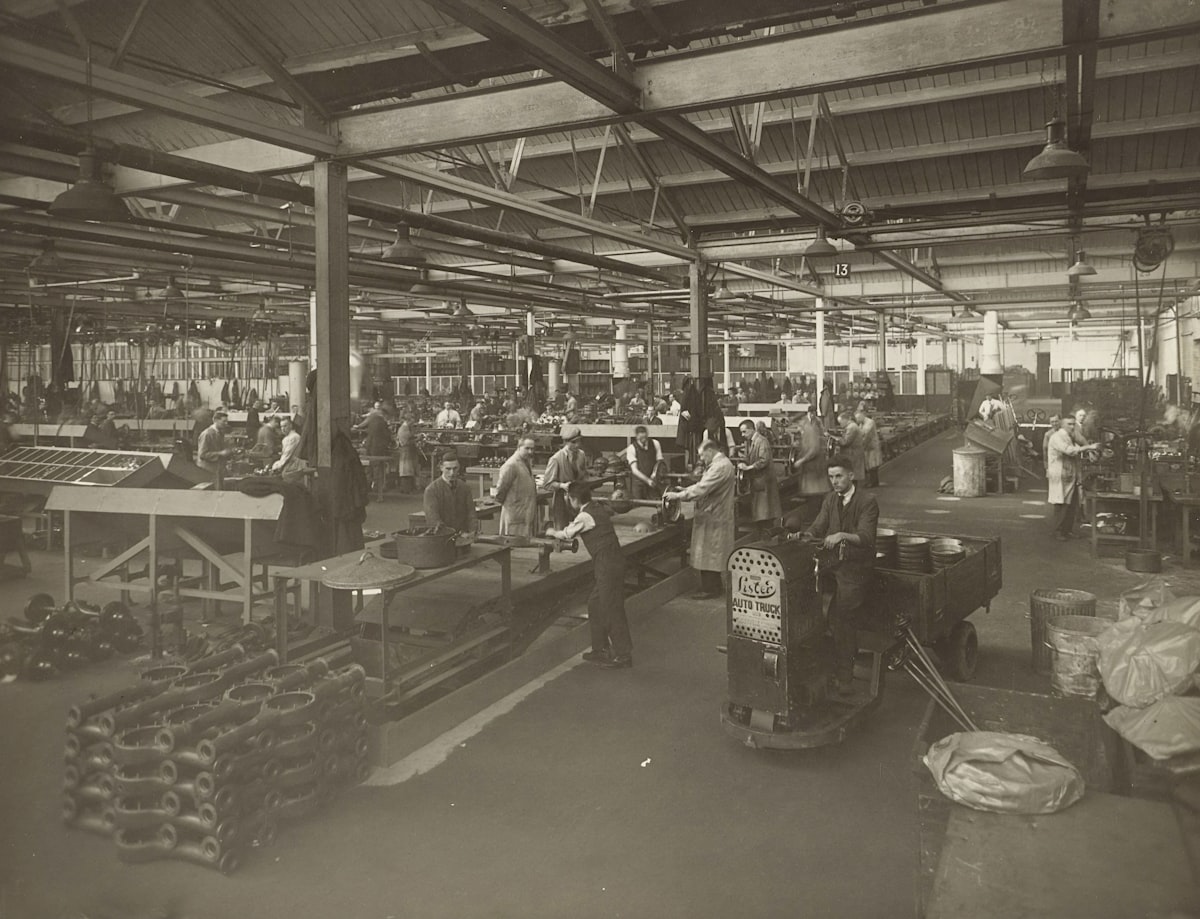
Fall River’s manufacturing heritage teaches us that successful producers have always found ways to work within regulatory frameworks while maintaining innovation and efficiency. Today’s small manufacturers can learn from this legacy, turning compliance from a burden into a business asset.
Understanding Your Regulatory Landscape
The first step in regulatory navigation is mapping your specific compliance requirements. Unlike large corporations with dedicated compliance teams, small manufacturers must be strategic about where they focus their limited resources.
Start by identifying which agencies govern your products and processes. The Occupational Safety and Health Administration (OSHA) will likely apply to your workplace safety protocols. The Environmental Protection Agency (EPA) may regulate your waste disposal and emissions. If you’re producing consumer goods, the Consumer Product Safety Commission (CPSC) could have jurisdiction over your products.
For example, a small furniture maker scaling up production needs to consider OSHA standards for woodworking equipment, EPA regulations for finishing chemicals, and potentially CPSC requirements if producing children’s furniture. Each regulatory body has different reporting requirements, inspection schedules, and compliance costs.
The key is creating a regulatory calendar that tracks important deadlines, renewal dates, and reporting requirements. This proactive approach prevents the costly scramble of last-minute compliance efforts and helps you budget for regulatory expenses throughout the year.
Building Compliance into Your Production Process
Smart small manufacturers don’t bolt compliance onto existing processes—they build it in from the ground up. This integration approach reduces long-term costs and creates more efficient operations.
Consider documentation as your first line of defense. Every regulation requires some form of record-keeping, whether it’s employee safety training logs, material safety data sheets, or quality control testing results. Implementing digital documentation systems early saves countless hours during inspections and audits.
For manufacturing processes, think about compliance at each stage of production. A small food manufacturer, for instance, must consider FDA regulations when selecting ingredients, during processing and packaging, and even in storage and distribution. By mapping regulatory requirements to each production step, you can identify potential issues before they become violations.
Training is another critical component. Your employees are your frontline compliance team. Regular training sessions on safety protocols, quality standards, and regulatory updates ensure everyone understands their role in maintaining compliance. This investment pays dividends not just in regulatory adherence but in overall product quality and workplace safety.
Leveraging Technology for Regulatory Efficiency
Technology can be a small manufacturer’s secret weapon for managing regulatory complexity without hiring extensive compliance staff. Modern software solutions can automate many compliance tasks that traditionally required manual tracking and reporting.
Inventory management systems can automatically track lot numbers, expiration dates, and supplier certifications—essential for recall procedures and traceability requirements. Quality management software can standardize testing protocols and maintain the detailed records that regulators expect during inspections.
For environmental compliance, monitoring systems can track emissions, water usage, and waste generation in real-time, providing early warnings before you exceed permitted limits. These systems often pay for themselves through improved efficiency and reduced compliance costs.
Cloud-based solutions offer particular advantages for small manufacturers. They provide enterprise-level compliance capabilities without the infrastructure investment, and they ensure your compliance data is secure and accessible during inspections or audits.
Working with Regulatory Agencies as Partners
Many small manufacturers view regulatory agencies as adversaries, but successful producers understand the value of building collaborative relationships with regulators. Agencies often prefer working with manufacturers who demonstrate good faith compliance efforts rather than playing enforcement “gotcha” games.
Most regulatory agencies offer consultation services specifically designed to help small manufacturers understand and meet requirements. OSHA’s consultation program, for example, provides free workplace safety assessments without the threat of penalties. The EPA offers similar programs for environmental compliance.
When facing complex regulatory questions, don’t hesitate to contact agency representatives directly. A brief phone call can often clarify requirements that might otherwise require expensive consultant fees. Documentation of these conversations also demonstrates your commitment to compliance if issues arise later.
Building relationships with local inspectors and compliance officers can provide valuable insights into enforcement priorities and upcoming regulatory changes. These relationships, built on transparency and professionalism, often result in more collaborative inspections and reasonable timelines for addressing any issues discovered.
Turning Compliance into Competitive Advantage
The most successful small manufacturers flip the compliance script entirely, using their regulatory adherence as a market differentiator. In an era where consumers increasingly value safety, environmental responsibility, and ethical production, strong compliance records become powerful marketing tools.
Certifications and compliance achievements can open doors to new markets and customers. Many large retailers and distributors require suppliers to meet specific regulatory standards before they’ll consider partnerships. By exceeding basic compliance requirements, you position your company for these opportunities.
Compliance also builds operational resilience. Companies with strong regulatory practices typically have better quality control, lower insurance costs, and fewer production disruptions. These operational advantages translate directly to bottom-line benefits and competitive positioning.
Fall River’s manufacturing renaissance demonstrates how modern producers can honor traditional manufacturing values while meeting contemporary regulatory standards. Companies that embrace this balance often find themselves leading their markets rather than just surviving in them.
Ready to Navigate Regulations with Confidence?
Regulatory compliance doesn’t have to derail your manufacturing dreams or drain your resources. With the right approach, it becomes a foundation for sustainable growth and market leadership.
At F3 (Forge, Fiber & Fabrication), we understand the regulatory challenges facing small manufacturers because we’ve helped dozens of artisan makers successfully navigate this transition. Our manufacturing incubator provides not just workspace and equipment, but also the guidance and resources needed to build compliance into your growing business from day one.
Ready to transform your manufacturing compliance from burden to competitive advantage? Contact F3 today and discover how our Fall River facility can support your journey from hobby to commercial success—with full regulatory confidence.
TAGS:
Ready to Transform Your Artisan Business?
Join F3 and get access to equipment, mentorship, and a community of makers scaling to commercial production.