From Compliance Confusion to Confident Manufacturing: A Small Producer's Guide to Regulations
Master manufacturing regulations with practical guidance tailored for small producers scaling from hobby to commercial production.
December 1, 2025
•
By F3 Team
From Compliance Confusion to Confident Manufacturing: A Small Producer’s Guide to Regulations
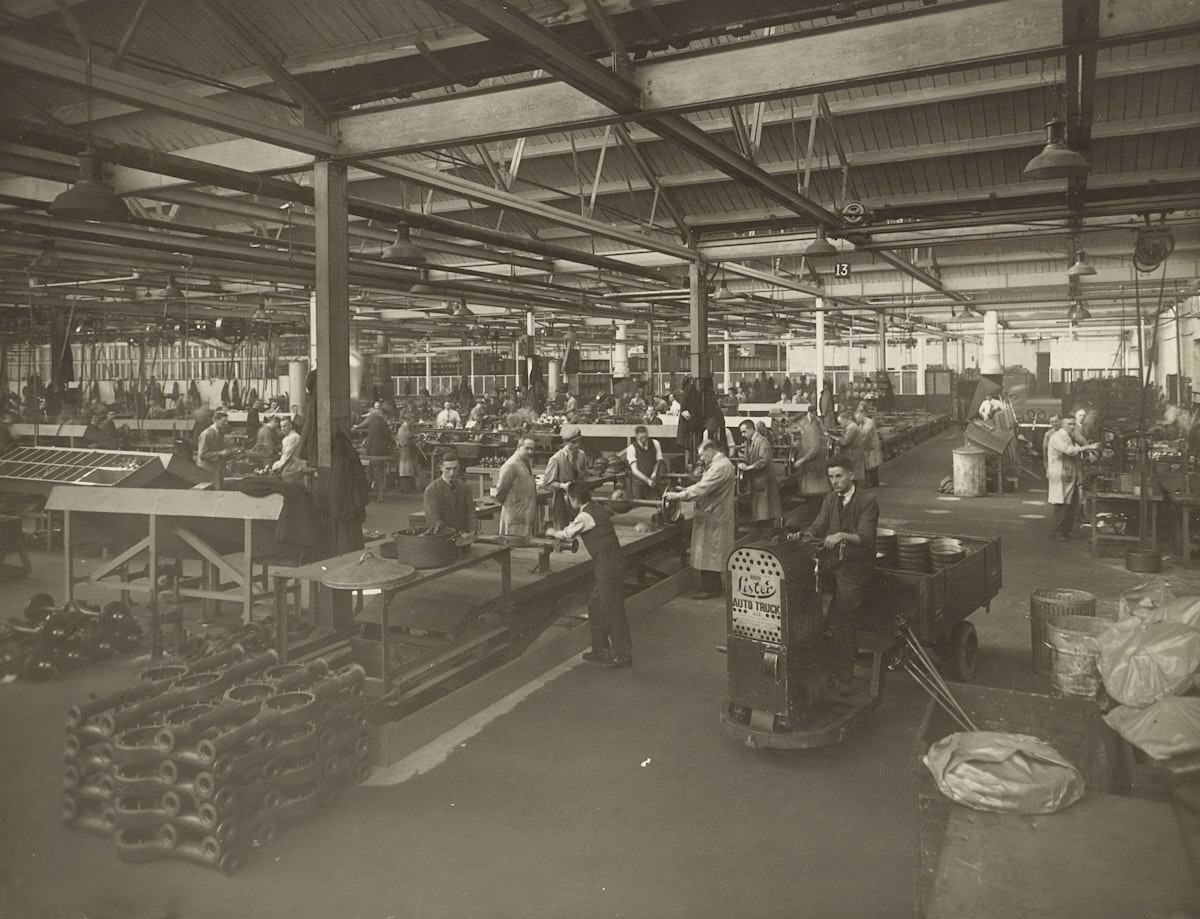
When Sarah first started making artisanal soaps in her Fall River kitchen, the biggest challenge was perfecting her lavender-mint formula. Fast forward two years, and she’s navigating a maze of FDA regulations, state licensing requirements, and safety certifications that would make even the mill owners of Fall River’s industrial heyday dizzy.
If you’re an artisan maker ready to scale your operation, you’re likely facing the same regulatory reality check. The good news? With the right approach, compliance doesn’t have to be the roadblock that stops your manufacturing dreams—it can be the foundation that supports sustainable growth.
Understanding Your Regulatory Landscape
The first step in conquering compliance is mapping your specific regulatory territory. Unlike the standardized processes that once defined Fall River’s textile mills, today’s manufacturing regulations vary dramatically based on what you make, how you make it, and where you sell it.
Start by identifying your primary regulatory bodies. Food producers deal with the FDA and state health departments. Electronics manufacturers navigate FCC requirements and UL safety standards. Textile makers might encounter CPSC guidelines for children’s products or flame retardancy standards.
Create a compliance checklist specific to your product category. This isn’t a one-size-fits-all exercise—a maker of wooden toys faces entirely different requirements than someone producing skin care products. Research industry associations in your field; they often provide regulatory roadmaps that can save you weeks of independent research.
Consider the scope of your operations too. Selling exclusively within Massachusetts? You’ll focus primarily on state and federal requirements. Planning to ship nationwide? Each state may have additional stipulations. Dreaming of international sales? That opens another regulatory dimension entirely.
Essential Documentation and Record-Keeping
Fall River’s manufacturing legacy was built on precision and documentation—qualities that remain crucial in today’s regulatory environment. Proper record-keeping isn’t just about compliance; it’s about creating systems that scale with your business.
Establish batch tracking from day one. Whether you’re producing 10 units or 10,000, you need to know exactly what materials went into each product and when. This traceability becomes critical if you ever face a quality issue or recall situation. Simple spreadsheets work for small operations, but consider investing in manufacturing software as you grow.
Document your processes thoroughly. Write down your standard operating procedures (SOPs) as if you’re creating a manual for someone else to follow—because eventually, you probably will be. These SOPs become the backbone of quality management systems required by many regulatory frameworks.
Keep supplier documentation organized and current. Certificates of analysis, safety data sheets, and supplier certifications should be easily accessible. Many regulations require you to trace materials back to their sources, making supplier documentation as important as your own production records.
Product Safety and Testing Requirements
Product safety isn’t just good business—it’s often legally mandated. Understanding testing requirements early can prevent costly redesigns and delays later in your scaling journey.
Research applicable safety standards for your products. Children’s toys must meet ASTM safety standards. Electronic devices need FCC compliance testing. Food contact surfaces require FDA-approved materials. These aren’t suggestions—they’re legal requirements that can shut down your business if ignored.
Budget for testing costs upfront. Third-party testing can range from hundreds to thousands of dollars per product, but it’s an investment in your business’s credibility and legal compliance. Some tests need repetition whenever you change materials or processes, so factor ongoing testing costs into your scaling budget.
Consider working with accredited testing laboratories early in your product development process. They can guide you toward compliant designs before you invest in tooling or large material purchases. Many labs offer pre-compliance testing services that help identify issues before formal testing begins.
Licensing, Permits, and Certifications
Navigating the licensing landscape requires patience and attention to detail. Like the permits that once regulated Fall River’s bustling mill operations, today’s licenses serve as your official permission to manufacture and sell.
Start with your local requirements. Fall River, like many Gateway Cities, has specific zoning regulations for manufacturing operations. Home-based businesses often have restrictions on commercial activity levels. Understanding these limitations helps you plan facility moves before you outgrow your current space.
State licensing requirements vary by industry but often include business registration, tax permits, and industry-specific licenses. Massachusetts manufacturers might need environmental permits, worker safety certifications, or professional licenses depending on their products.
Federal requirements add another layer. FDA facility registration for food producers, EPA compliance for certain chemicals, or FCC equipment authorization for electronics—each comes with specific application processes and renewal requirements.
Don’t forget about voluntary certifications that can boost marketability. Organic certification, B-Corp status, or industry-specific quality certifications can differentiate your products while demonstrating commitment to excellence.
Building Compliance into Your Growth Strategy
Smart manufacturers treat compliance as a competitive advantage rather than a burden. Building regulatory awareness into your growth strategy prevents costly surprises and positions you for sustainable scaling.
Invest in compliance expertise early. This might mean consulting fees, training courses, or hiring experienced team members. The cost of getting compliance right from the start is almost always less than fixing problems later.
Build compliance costs into your pricing model. Regulatory requirements represent real business expenses that should be reflected in your product pricing. Customers increasingly expect and pay for properly compliant products.
Create compliance review checkpoints in your development process. Before launching new products, expanding to new markets, or changing suppliers, review regulatory implications. This systematic approach prevents compliance from becoming an afterthought.
Stay connected with your regulatory community. Join industry associations, subscribe to regulatory update services, and network with other manufacturers in your space. Regulations change, and staying informed protects your business from unexpected compliance issues.
Ready to Navigate Regulations with Confidence?
Compliance doesn’t have to be a solo journey. At F3 (Forge, Fiber & Fabrication), we help Fall River area makers transition from hobby production to compliant commercial manufacturing. Our manufacturing incubator provides not just space and equipment, but also guidance on regulatory requirements and connections to compliance resources.
Ready to scale your manufacturing operation the right way? Contact F3 today to learn how our community of makers, mentors, and manufacturing experts can support your regulatory journey and business growth.
TAGS:
Ready to Transform Your Artisan Business?
Join F3 and get access to equipment, mentorship, and a community of makers scaling to commercial production.