From Artisan to Compliant: Your Guide to Small Manufacturing Regulations
Learn essential regulatory requirements for small manufacturers, from safety standards to environmental compliance, with practical tips for scaling your artisan business.
November 30, 2025
•
By F3 Team
From Artisan to Compliant: Your Guide to Small Manufacturing Regulations
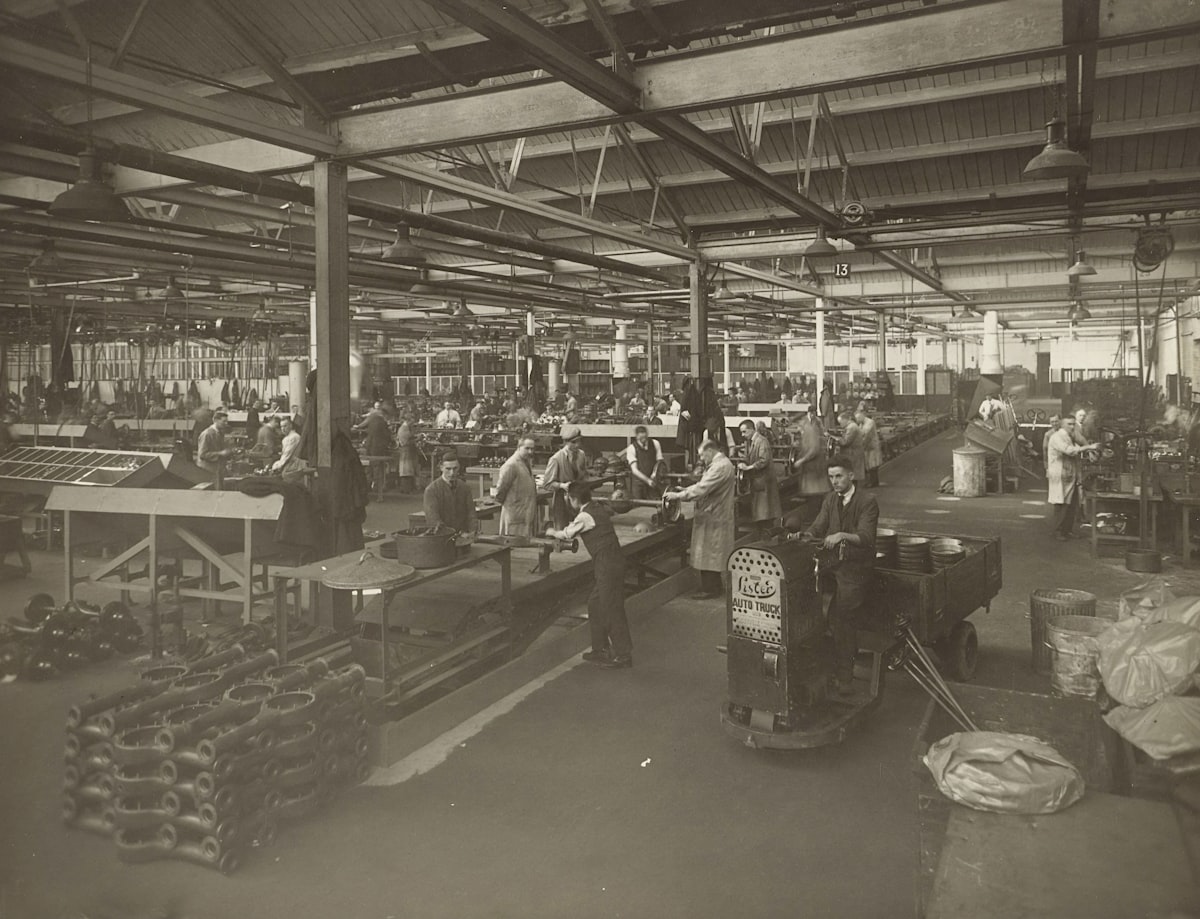
There’s something magical about watching a skilled artisan transform raw materials into beautiful, functional products. Here in Fall River, we’ve witnessed this transformation for over a century—from the textile mills that once powered our economy to today’s innovative makers crafting everything from artisanal soaps to custom metalwork. But as any maker knows, the leap from selling at farmers’ markets to commercial manufacturing involves navigating a complex web of regulations that can feel overwhelming.
The good news? Understanding manufacturing regulations doesn’t require a law degree. With the right roadmap and practical approach, you can ensure compliance while focusing on what you do best—creating exceptional products.
Understanding Your Regulatory Landscape
Before diving into specific requirements, it’s crucial to understand that manufacturing regulations exist at multiple levels: federal, state, and local. Each level serves a specific purpose, from ensuring worker safety to protecting consumers and the environment.
Federal agencies like OSHA (Occupational Safety and Health Administration), EPA (Environmental Protection Agency), and FDA (Food and Drug Administration) set baseline standards that apply nationwide. Massachusetts adds its own layer of requirements through agencies like MassDEP (Department of Environmental Protection) and the Department of Public Health. Finally, Fall River and other municipalities have local ordinances covering zoning, building codes, and business licensing.
The key is identifying which regulations apply to your specific product and manufacturing process. A woodworker creating custom furniture faces different requirements than a food artisan scaling up jam production or a metalworker fabricating architectural elements.
Pro tip: Start by contacting the Massachusetts Small Business Development Center or your local economic development office. They often provide free consultations to help manufacturers identify applicable regulations.
Safety First: OSHA and Workplace Compliance
Workplace safety regulations kick in the moment you hire your first employee—or sometimes even sooner if you’re operating in a shared manufacturing space. OSHA’s General Duty Clause requires employers to provide a workplace “free from recognized hazards.”
For small manufacturers, this typically means:
- Personal Protective Equipment (PPE): Ensure workers have appropriate safety glasses, gloves, hearing protection, and respiratory equipment based on your processes
- Machine Guarding: Install proper guards on equipment with moving parts, cutting surfaces, or pinch points
- Hazard Communication: Maintain Safety Data Sheets (SDS) for all chemicals and provide worker training on hazardous materials
- Emergency Procedures: Develop written emergency action plans and ensure clear egress routes
Many Fall River manufacturers find it helpful to conduct informal safety walks with experienced mentors from similar industries. Sometimes a fresh pair of eyes can spot hazards you’ve become accustomed to seeing.
Real-world example: A local metalworking shop discovered during a safety audit that their grinding operations needed better ventilation and dust collection. Rather than seeing this as a burden, they invested in a high-quality dust collection system that not only ensured compliance but also improved air quality and reduced cleanup time—ultimately boosting productivity.
Environmental Compliance: Protecting Our Community
Fall River’s location on Mount Hope Bay makes environmental stewardship particularly important to our manufacturing community. Environmental regulations might seem daunting, but they’re often more straightforward than manufacturers expect.
Air Quality: If your processes generate dust, fumes, or vapors, you may need air permits from MassDEP. This includes spray finishing, welding, woodworking dust, and chemical processes.
Water Discharge: Any process water that doesn’t go directly to the sanitary sewer system requires permits. This includes cooling water, wash water, and stormwater runoff from outdoor storage areas.
Waste Management: Proper handling and disposal of hazardous waste is non-negotiable. However, many small manufacturers qualify for “small quantity generator” status, which significantly reduces reporting requirements.
Chemical Storage: Massachusetts has specific requirements for storing petroleum products, chemicals, and other hazardous materials, including secondary containment and spill prevention plans.
The Massachusetts Environmental Results Program (ERP) offers a streamlined compliance approach for small manufacturers, allowing self-certification for many common requirements.
Product-Specific Regulations and Standards
Depending on what you manufacture, additional product-specific regulations may apply. Understanding these early in your scaling process can save significant headaches later.
Food Products: FDA’s Food Safety Modernization Act (FSMA) requires Hazard Analysis and Risk-Based Preventive Controls (HARPC) for most food manufacturers. Massachusetts also requires food processing licenses and regular inspections.
Consumer Products: The Consumer Product Safety Commission (CPSC) regulates everything from children’s toys to furniture flammability. Third-party testing may be required for certain products.
Electronics: FCC certification ensures electronic devices don’t interfere with communications systems, while energy efficiency standards may apply to appliances and lighting.
Medical Devices: Even simple medical devices require FDA registration and may need 510(k) premarket submissions.
Building Materials: Products used in construction often must meet building codes and industry standards like ASTM or ANSI specifications.
Building Your Compliance Strategy
Successful regulatory compliance isn’t about perfection from day one—it’s about building systems that grow with your business.
Start with a compliance checklist: Document all applicable requirements and create a timeline for implementation. Some requirements have specific deadlines, while others should be addressed before scaling production.
Invest in training: Your team is your best compliance asset. Regular training sessions on safety procedures, quality standards, and regulatory updates pay dividends in reduced incidents and improved efficiency.
Document everything: Good record-keeping isn’t just about compliance—it’s about continuous improvement. Track safety incidents, environmental monitoring, quality metrics, and training records.
Build relationships: Connect with other manufacturers in your industry, join trade associations, and maintain relationships with regulators. These connections provide valuable insights and early warnings about regulatory changes.
Plan for growth: Consider how your compliance strategy will scale. The systems you implement today should accommodate future expansion without complete overhauls.
Making Compliance a Competitive Advantage
Here’s the secret many successful manufacturers have discovered: robust compliance systems often improve operational efficiency, reduce costs, and enhance product quality. When you implement proper safety procedures, you reduce insurance costs and worker compensation claims. Environmental compliance often identifies opportunities to reduce waste and improve resource efficiency. Quality standards that meet regulatory requirements typically exceed customer expectations, creating competitive differentiation.
Fall River’s manufacturing heritage teaches us that companies that view regulations as partners in building sustainable, responsible operations are the ones that thrive across generations.
Navigating manufacturing regulations may seem complex, but you don’t have to figure it out alone. At F3 (Forge, Fiber & Fabrication), we help artisan makers successfully scale to commercial production while building robust compliance frameworks. Our experienced mentors and industry connections can guide you through regulatory requirements specific to your products and processes. Ready to transform your artisan business into a compliant, scalable manufacturing operation? Contact F3 today to learn how our incubator program can support your journey from hobby to commercial success.
TAGS:
Ready to Transform Your Artisan Business?
Join F3 and get access to equipment, mentorship, and a community of makers scaling to commercial production.