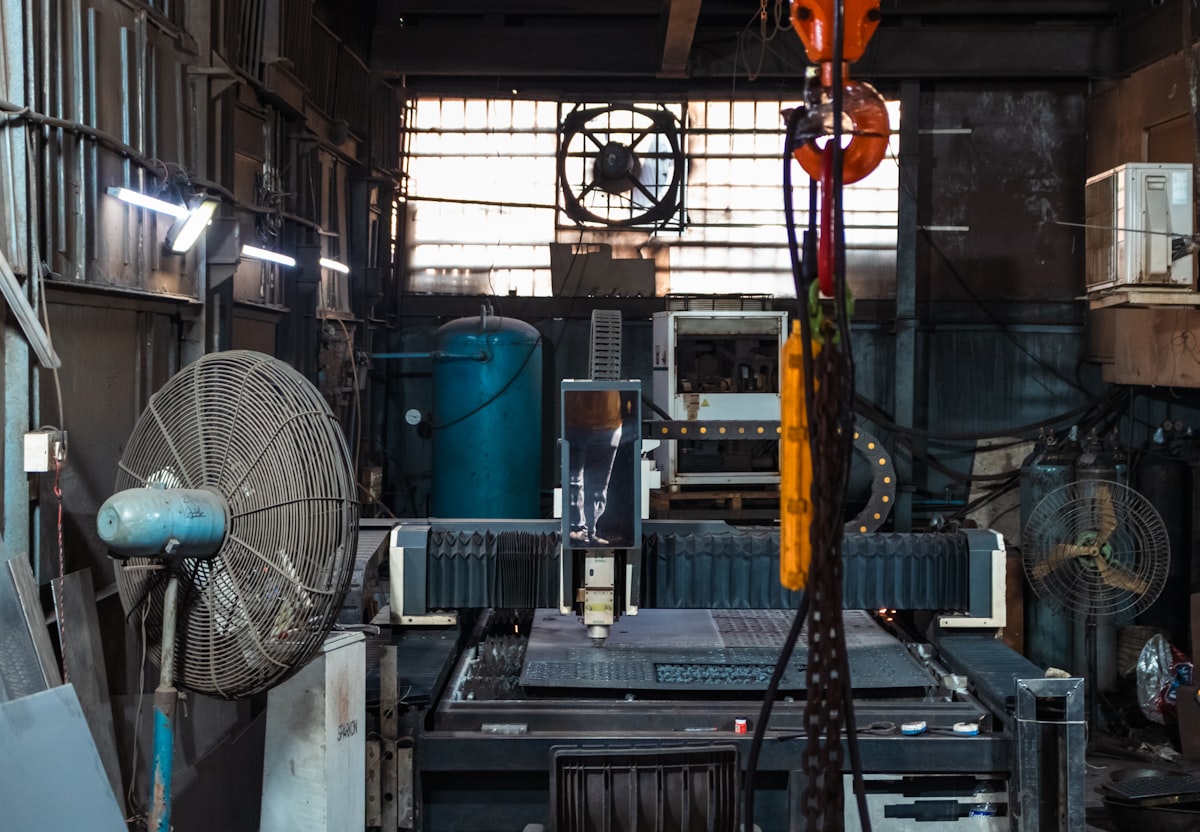
Building Skills That Scale: A Guide to Workforce Training in Small Manufacturing
Learn how small manufacturers can develop effective workforce training programs that boost productivity, quality, and employee retention in today's market.
December 3, 2025
•
By F3 Team
The manufacturing landscape has evolved dramatically over the past decade, but one challenge remains constant: finding and developing skilled workers who can drive growth and innovation. For small manufacturers, this challenge is particularly acute. Unlike large corporations with dedicated HR departments and extensive training budgets, smaller operations must be strategic and creative in how they approach workforce development.
In Fall River, Massachusetts—a city with deep manufacturing roots dating back to the textile boom of the 19th century—this challenge hits close to home. The mills that once employed thousands may be gone, but the city’s manufacturing spirit lives on in a new generation of makers and small manufacturers who understand that success depends on having the right people with the right skills.
Understanding the Small Manufacturing Skills Gap
The skills gap in manufacturing isn’t just about finding people who can operate machinery—it’s about finding workers who can adapt to rapidly changing technologies, solve problems creatively, and contribute to continuous improvement efforts. According to recent industry studies, nearly 80% of manufacturers report difficulty finding qualified workers, and this percentage is even higher for small manufacturers who often compete with larger companies for talent.
Small manufacturers face unique challenges in workforce training:
- Limited budgets for formal training programs
- Time constraints that make it difficult to take employees off production
- Lack of dedicated training staff or expertise in curriculum development
- Difficulty competing with larger employers for experienced workers
- Need for versatile employees who can wear multiple hats
Despite these challenges, small manufacturers also have distinct advantages: closer relationships with employees, greater flexibility in training approaches, and the ability to provide more personalized development opportunities.
Building a Foundation: Core Training Components
Effective workforce training in small manufacturing starts with identifying the core competencies your business needs. These typically fall into three categories:
Technical Skills: These are the hands-on abilities specific to your industry and processes. For a precision machining shop, this might include CNC programming and quality measurement. For a food manufacturer, it could involve sanitation protocols and packaging techniques.
Safety and Compliance: Every manufacturing environment requires workers who understand safety protocols, regulatory requirements, and quality standards. This isn’t just about avoiding accidents—it’s about building a culture of responsibility and attention to detail.
Soft Skills: Often overlooked but critically important, these include problem-solving, communication, teamwork, and adaptability. In small manufacturing environments where employees must collaborate closely and often take on multiple roles, these skills can make or break your operation.
Start by conducting a skills assessment of your current workforce and identifying gaps. Then prioritize training initiatives based on their impact on safety, quality, productivity, and employee retention.
Practical Training Strategies for Resource-Conscious Manufacturers
Mentorship and Cross-Training Programs
One of the most cost-effective training methods for small manufacturers is pairing experienced workers with newer employees. This approach leverages your existing knowledge base while building stronger team relationships. Create structured mentorship programs with clear objectives, timelines, and success metrics.
Cross-training employees across multiple functions serves dual purposes: it builds a more versatile workforce while providing career development opportunities that improve retention. An employee who understands both production and quality control becomes more valuable to your organization and more invested in its success.
Leveraging Technology and Online Resources
The digital revolution has democratized access to high-quality training content. Platforms like Coursera, Udemy, and industry-specific sites offer courses on everything from lean manufacturing principles to advanced welding techniques. Many community colleges also offer online programs specifically designed for working adults.
Consider investing in training management software that tracks employee progress and certifications. This doesn’t have to be expensive—many affordable options can help you organize training schedules, monitor completion rates, and maintain compliance records.
Partnerships with Educational Institutions
Fall River’s proximity to institutions like Bristol Community College and UMass Dartmouth creates opportunities for partnerships that benefit both manufacturers and students. Many colleges offer customized training programs for local businesses, apprenticeship opportunities, and access to equipment and expertise that small manufacturers might not have in-house.
These partnerships can take many forms:
- Apprenticeship programs that provide structured pathways from education to employment
- Continuing education courses delivered on-site at your facility
- Student projects that give learners real-world experience while solving your business challenges
- Equipment sharing arrangements that provide access to advanced training tools
Measuring Success and Continuous Improvement
Effective workforce training requires ongoing measurement and adjustment. Establish key performance indicators (KPIs) that align with your business objectives:
- Productivity metrics: Output per employee, time to complete tasks, efficiency improvements
- Quality measures: Defect rates, customer complaints, rework requirements
- Safety indicators: Incident rates, near-miss reports, safety audit scores
- Employee engagement: Retention rates, promotion rates, job satisfaction surveys
Regularly review these metrics and gather feedback from both supervisors and trainees. What’s working well? What could be improved? Are employees applying their new skills effectively? Use this information to refine your training programs and ensure they continue delivering value.
Remember that workforce training is not a one-time event but an ongoing process. As your business grows and evolves, your training needs will change too. Build flexibility into your programs and maintain a culture of continuous learning.
Creating a Culture of Learning and Growth
Perhaps the most important aspect of workforce training in small manufacturing is creating an environment where learning is valued and supported. This starts with leadership commitment—when owners and managers actively participate in training and development, employees understand that growth is a priority.
Recognize and reward employees who take initiative in developing their skills. This might include tuition reimbursement for relevant courses, promotions for those who demonstrate new competencies, or simply public recognition of learning achievements.
Encourage knowledge sharing among your team. Regular “lunch and learn” sessions where employees share new techniques or insights can be incredibly valuable. These informal training opportunities cost virtually nothing but can lead to significant improvements in processes and productivity.
The Path Forward: Investing in Your People
Workforce training in small manufacturing isn’t just about filling immediate skill gaps—it’s about building a foundation for long-term success. Companies that invest in their people see returns in improved productivity, higher quality, better safety records, and increased employee loyalty.
The manufacturing heritage of cities like Fall River reminds us that success comes from combining traditional craftsmanship with modern innovation. Today’s small manufacturers must embrace this same principle, honoring the skills and dedication of their workers while preparing them for the challenges and opportunities ahead.
Your investment in workforce training sends a clear message to your employees: you believe in their potential and are committed to their success. In return, they’ll bring that same commitment to your business every day.
Are you ready to take your workforce training to the next level? At F3 (Forge, Fiber & Fabrication), we understand the unique challenges facing small manufacturers in Fall River and beyond. Our manufacturing incubator provides resources, connections, and expertise to help artisan makers and small manufacturers build the skilled teams they need to scale successfully. Contact us today to learn how we can support your workforce development goals and help you transform your passion into a thriving commercial enterprise.
TAGS:
Ready to Transform Your Artisan Business?
Join F3 and get access to equipment, mentorship, and a community of makers scaling to commercial production.