Building a Brand Around Craftsmanship: From Artisan Workshop to Commercial Success
Transform your handmade products into a recognized brand by leveraging authentic craftsmanship stories, quality messaging, and strategic positioning.
December 4, 2025
•
By F3 Team
In an era of mass production and instant gratification, consumers are increasingly drawn to products that tell a story—pieces that carry the fingerprints of their makers and embody genuine craftsmanship. For artisan makers looking to scale from hobby to commercial success, building a brand around craftsmanship isn’t just a marketing strategy; it’s a fundamental approach to creating lasting value in the marketplace.
Fall River’s industrial legacy offers a powerful reminder of how craftsmanship and commercial success can intertwine. Once the textile capital of America, this city thrived because its manufacturers understood that quality, skill, and attention to detail weren’t just production values—they were brand differentiators. Today’s makers can draw inspiration from this heritage while building modern brands that celebrate the human touch in an increasingly automated world.
The Foundation: Authenticity Over Everything
Authentic craftsmanship branding begins with understanding what makes your process unique. This isn’t about claiming to be “handmade” while cutting corners—it’s about identifying the genuine elements of skill, care, and tradition that distinguish your work.
Start by documenting your process. What techniques do you use that machines cannot replicate? What decisions do you make by feel, experience, or intuition? These human elements become the cornerstone of your brand narrative. A woodworker might emphasize their ability to read grain patterns and adjust joinery accordingly, while a ceramic artist might highlight how they adapt glazing techniques based on seasonal humidity changes.
Consider creating a “maker’s mark”—a signature element that appears consistently in your work. This could be a literal mark or stamp, but it might also be a distinctive technique, material choice, or design philosophy that customers learn to associate with your brand. The key is consistency and intentionality.
Storytelling That Sells: Crafting Your Brand Narrative
Every piece you create has a story, but effective brand building requires distilling these individual stories into a cohesive narrative that resonates with your target market. Your brand story should answer three fundamental questions: Why do you make what you make? How do you make it differently? What does owning your work mean for the customer?
Develop a origin story that’s both personal and relatable. Perhaps you learned your craft from a mentor, discovered it during a career transition, or were inspired by a desire to create sustainable alternatives to mass-produced goods. Be specific about your journey—customers connect with concrete details, not generic platitudes about “following your passion.”
Document your process transparently. Share photos of your workspace, explain your tool choices, and discuss the challenges you’ve overcome to perfect your technique. This transparency builds trust and helps customers understand the value proposition of handcrafted goods. When someone sees the 47 steps involved in your knife-making process or understands why you source materials from specific suppliers, they begin to appreciate why your products command premium prices.
Visual Identity: Showing Craftsmanship in Every Touchpoint
Your visual brand should reflect the same attention to detail that goes into your products. This doesn’t mean hiring expensive designers—it means applying craftsman-like thinking to every visual element of your brand.
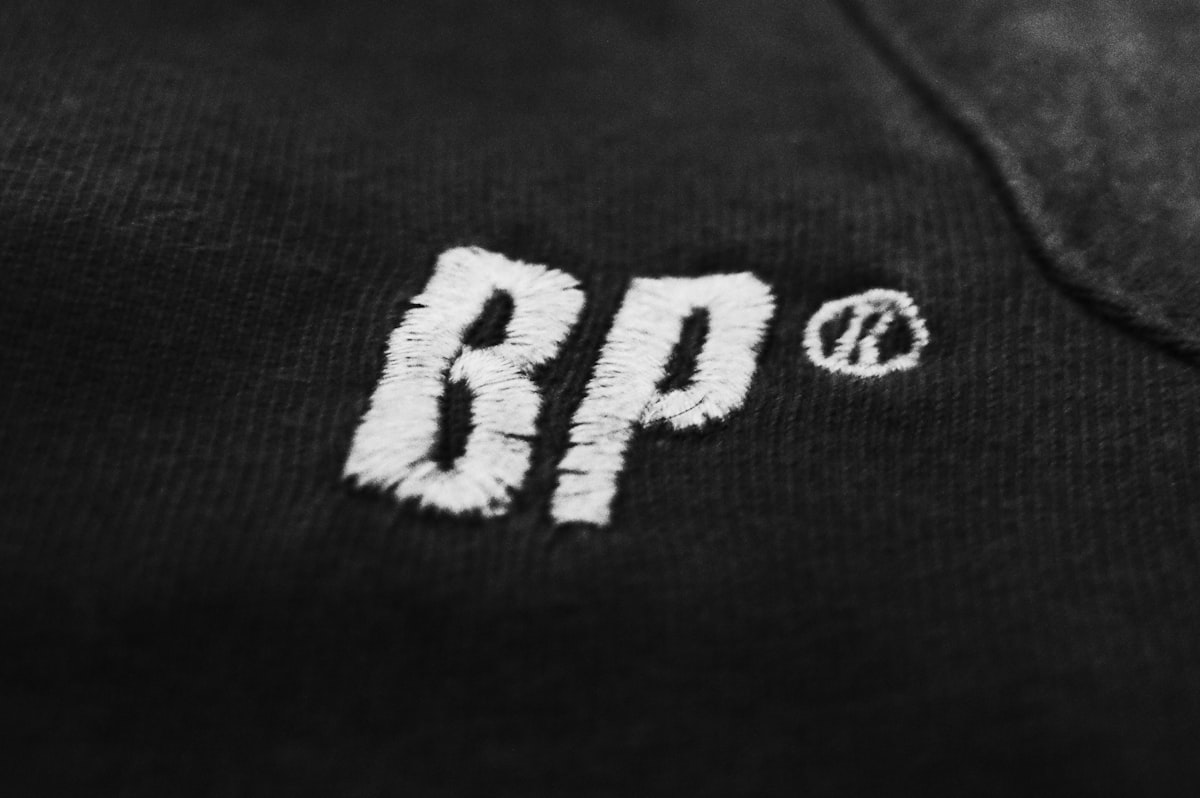
Develop a photography style that showcases the textures, imperfections, and human elements that distinguish handmade goods. Close-up shots revealing tool marks, grain patterns, or subtle color variations tell your craftsmanship story more effectively than generic product shots. Include your hands in photos when appropriate—they’re proof of the human element behind your work.
Consider your packaging as an extension of your craft. Custom stamps, hand-written notes, or packaging materials that reflect your production values reinforce your brand message. A leather worker might use brown paper tied with hemp twine, while a jeweler might opt for natural wood boxes with their maker’s mark burned into the lid.
Your logo and typography should feel appropriate to your craft tradition while remaining legible and scalable. Many successful craftspeople adopt mark-style logos reminiscent of traditional maker’s marks, blacksmith stamps, or guild symbols.
Building Customer Relationships Through Education
Craftsmanship brands thrive when customers understand and appreciate the skill involved in creation. This requires ongoing education that transforms casual buyers into informed advocates for your work.
Create content that demystifies your process while highlighting its complexity. Blog posts, videos, or social media content explaining “Why This Takes Time” or “The Tools Behind the Trade” help customers understand value beyond price. When people understand that your cutting board requires three weeks of careful drying and finishing, they’re more likely to appreciate its $200 price point.
Offer workshops or demonstrations when possible. Teaching simplified versions of your craft accomplishes two goals: it generates additional revenue and creates customers who truly understand the skill required for professional-level work. Someone who has struggled to make a basic pottery bowl will never question the price of your expertly thrown pieces.
Develop care instructions and maintenance guides that keep customers engaged with your brand long after purchase. These materials position you as an expert while ensuring your products maintain their quality over time.
Scaling Without Losing Soul
As demand grows, maintaining craftsmanship authenticity while increasing production requires careful planning. The goal is scaling your craft, not industrializing it.
Identify which elements of your process are non-negotiable for maintaining quality and brand integrity. These core craft elements should remain unchanged even as you streamline other aspects of production. You might batch certain processes for efficiency or invest in tools that reduce physical strain without compromising quality.
Consider expanding through product lines rather than just volume. A furniture maker might add smaller accessories that require similar skills but shorter production times. A textile artist might develop a line of machine-sewn items that incorporate their hand-dyed fabrics.
If hiring help becomes necessary, approach it as taking on apprentices rather than employees. Training team members in your techniques and standards ensures consistency while creating opportunities to share your craft knowledge.
Ready to Build Your Craftsmanship Brand?
Building a successful brand around craftsmanship requires the same patience, attention to detail, and commitment to quality that defines your making process. It’s about translating the values that drive your craft into a market position that customers understand and appreciate.
At F3 (Forge, Fiber & Fabrication), we help Fall River artisans navigate this transition from hobby makers to commercial brands. Our incubator provides not just workspace and equipment access, but mentorship in developing authentic brand narratives that honor craftsmanship while driving business growth. Ready to transform your craft into a recognized brand? Contact F3 today to learn how we can support your journey from workshop to marketplace.
TAGS:
Ready to Transform Your Artisan Business?
Join F3 and get access to equipment, mentorship, and a community of makers scaling to commercial production.