Building a Brand Around Craftsmanship: From Artisan to Market Leader
Transform your artisan craft into a compelling brand story that resonates with customers and drives business growth in today's competitive market.
March 22, 2026
•
By F3 Team
Building a Brand Around Craftsmanship: From Artisan to Market Leader
In an age of mass production and instant gratification, there’s something deeply compelling about products made with genuine craftsmanship. Consumers increasingly crave authenticity, quality, and the human story behind what they buy. For artisan makers in Fall River and beyond, this presents an unprecedented opportunity to build powerful brands rooted in the timeless values of skill, dedication, and quality.
Fall River’s rich manufacturing heritage—from the textile mills that once powered New England’s economy to today’s innovative makers—proves that craftsmanship and commercial success can go hand in hand. The key lies in translating your artisan skills into a brand that resonates with modern consumers while staying true to your craft.
Understanding the Modern Consumer’s Desire for Authenticity
Today’s consumers are bombarded with mass-produced goods, making authentic craftsmanship a powerful differentiator. They’re willing to pay premium prices for products with genuine stories, superior quality, and personal connection to the maker. This shift creates a golden opportunity for artisans to position their work not just as products, but as embodiments of values that matter to their customers.
Research consistently shows that consumers, particularly millennials and Gen Z, prioritize brands that demonstrate authenticity, sustainability, and craftsmanship. They want to know who made their products, how they were made, and what values the maker represents. This trend has fueled the growth of artisan markets, craft fairs, and direct-to-consumer brands that emphasize their handmade origins.
Consider how companies like Shinola (watches and leather goods) or Buck Mason (clothing) have built million-dollar brands by emphasizing American craftsmanship and manufacturing heritage. These brands don’t just sell products; they sell stories of skill, tradition, and quality that resonate deeply with their target audiences.
Defining Your Craftsmanship Story
Your brand story should be the foundation of everything you do. It’s not just about what you make—it’s about why you make it, how you make it, and what makes your approach unique. Start by examining your own journey as a craftsperson. What drew you to your craft? What techniques or materials set your work apart? How do your values influence your creative process?
Develop a narrative that connects your personal passion with your customers’ desires. For example, if you’re a woodworker, your story might emphasize sustainable sourcing, traditional joinery techniques passed down through generations, or the meditative process of hand-shaping each piece. If you’re a textile artist, you might focus on reviving forgotten techniques, supporting local fiber producers, or creating heirloom-quality pieces built to last generations.
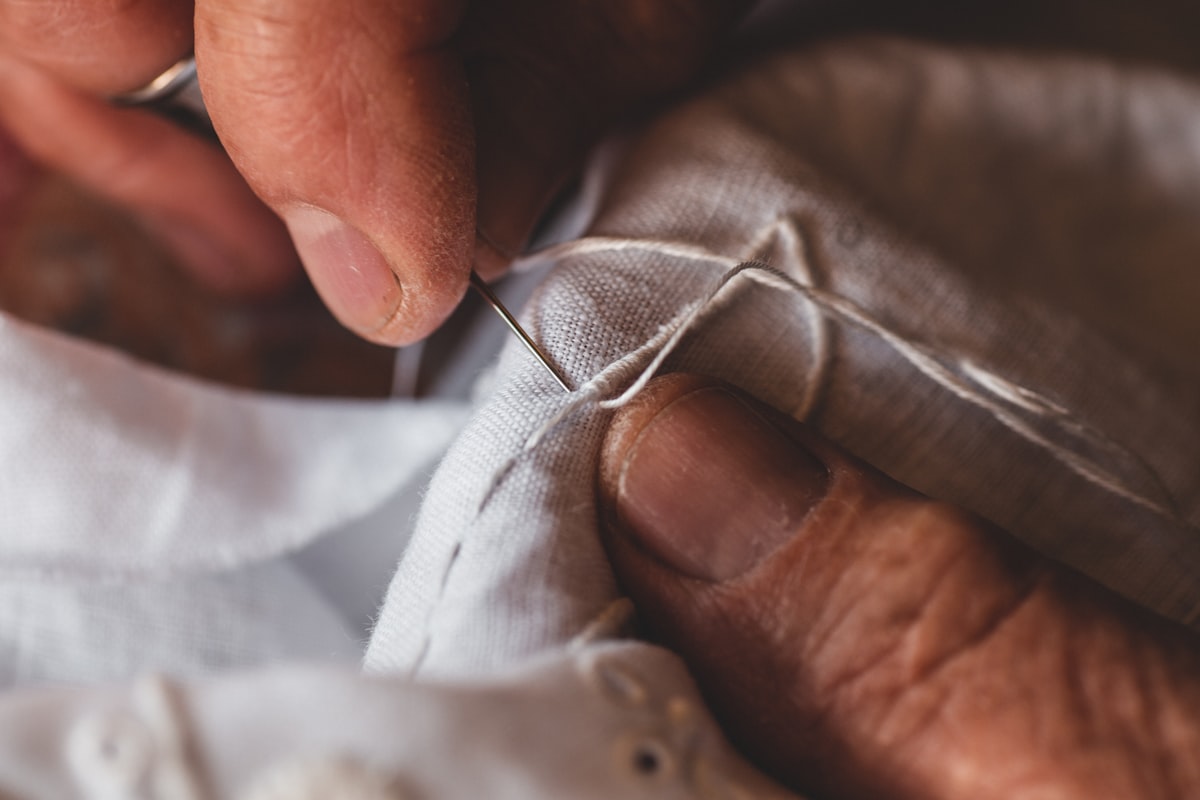
Document your process thoroughly. Take photos and videos of your workspace, your hands at work, and the transformation from raw materials to finished products. These visual elements become powerful tools for storytelling across your marketing channels. Customers want to see the care, skill, and time that goes into each piece.
Make your story specific and personal. Instead of saying “I make high-quality furniture,” try “I hand-select reclaimed oak from 19th-century New England barns, honoring both the wood’s history and Fall River’s manufacturing legacy by creating furniture built to last another century.” The specificity makes your story memorable and your value proposition clear.
Creating Visual Identity That Reflects Quality and Heritage
Your visual brand should immediately communicate the quality and authenticity of your craftsmanship. This doesn’t mean your branding needs to look old-fashioned—rather, it should feel timeless, sophisticated, and aligned with the quality of your work.
Choose colors, fonts, and imagery that reflect your craft’s character. Earth tones might suit a ceramicist, while clean lines and bold colors might better represent a modern metalworker. Your logo doesn’t need to be elaborate, but it should be distinctive and reproduce well across different media, from business cards to social media profiles.
Photography is crucial for craft-based brands. Invest in high-quality images that showcase both your products and your process. Show the texture of materials, the precision of joints, the smoothness of finishes. Include lifestyle shots that help customers envision your products in their own spaces. Consider hiring a professional photographer who understands how to capture the essence of handmade goods.
Packaging becomes part of your brand experience. Even simple, sustainable packaging that reflects care and attention to detail reinforces your commitment to quality. A hand-written note or information card about the specific piece and its creation story adds tremendous value and personal connection.
Marketing Craftsmanship in the Digital Age
Digital marketing might seem at odds with traditional craftsmanship, but it’s actually your most powerful tool for reaching customers who value what you create. Social media platforms like Instagram, Pinterest, and TikTok are perfect for showcasing your process, sharing your story, and building community around your brand.
Content marketing works exceptionally well for craft brands. Share tutorials that demonstrate your expertise without giving away trade secrets. Write about the history of your craft, the stories behind specific pieces, or the challenges and rewards of artisan life. This content positions you as an expert while building trust with potential customers.
Email marketing allows for deeper storytelling and customer relationships. Share behind-the-scenes glimpses of new projects, seasonal inspirations, or the evolution of your craft. Treat your email list as a community of people who genuinely care about your work and journey.
Don’t underestimate the power of local partnerships and community connections. Collaborate with other local artisans, participate in community events, and build relationships with local retailers who appreciate handmade goods. Fall River’s growing maker community offers numerous opportunities for cross-promotion and mutual support.
Scaling Without Compromising Authenticity
As demand for your work grows, you’ll face the challenge of scaling production while maintaining the authenticity that makes your brand compelling. This requires strategic thinking about which elements of your process are essential to preserve and which can be optimized for efficiency.
Consider which aspects of your work truly require your personal touch and which can be delegated or systematized. You might handle design and finishing work while training assistants for prep work or certain construction phases. Some makers create tiered product lines, with signature pieces that showcase full craftsmanship and production pieces that maintain quality while allowing for greater volume.
Invest in tools and processes that enhance rather than replace craftsmanship. A better saw doesn’t make you less of a craftsperson—it allows you to work more efficiently and precisely. The key is maintaining transparency about your methods and ensuring that efficiency gains don’t compromise the quality that your brand promises.
Document and systematize your quality standards. Create detailed specifications, checklists, and testing procedures that ensure every piece meets your standards, whether you’re making ten items a month or a hundred. This systematic approach to quality becomes increasingly important as you scale.
Ready to Build Your Craft Brand?
Building a brand around craftsmanship requires the same patience, skill, and attention to detail that you bring to your craft itself. It’s about translating the values and quality that drive your work into a compelling story that connects with customers who share those values.
At F3 (Forge, Fiber & Fabrication), we understand the unique challenges artisan makers face when scaling from hobby to commercial success. Our Fall River incubator provides not just the tools and workspace you need, but also the business guidance, marketing support, and community connections that help craft-based businesses thrive. Ready to transform your craftsmanship into a powerful brand? Contact F3 today to learn how we can help you build a sustainable, scalable business without compromising the authenticity that makes your work special.
TAGS:
Ready to Transform Your Artisan Business?
Join F3 and get access to equipment, mentorship, and a community of makers scaling to commercial production.