Building a Brand Around Craftsmanship: From Artisan Skills to Commercial Success
Transform your artisan craft into a compelling brand that resonates with customers and drives commercial growth through authentic storytelling.
May 2, 2026
•
By F3 Team
In an era of mass production and digital everything, there’s something profoundly compelling about products made by human hands. Consumers are increasingly seeking authenticity, quality, and the story behind what they buy. For artisan makers, this presents an incredible opportunity—but only if you can effectively translate your craftsmanship into a brand that resonates in the marketplace.
Fall River, Massachusetts, knows something about the power of skilled craftsmanship. This city built an industrial empire on the expertise of textile workers, furniture makers, and manufacturers who took pride in their trade. Today’s artisan makers can learn from this legacy while building brands that honor traditional skills and meet modern market demands.
Understanding the Value of Your Craft
Before you can build a brand around craftsmanship, you need to clearly understand what makes your work special. This goes beyond simply making things by hand—it’s about identifying the unique value proposition that your skills and approach bring to the market.
Start by documenting your process. What techniques do you use that others don’t? What materials do you source, and why? How long does each piece take to create? These details aren’t just production notes—they’re the foundation of your brand story. A furniture maker who uses traditional joinery techniques passed down through generations has a different story than one who combines reclaimed materials with modern design principles. Both are valuable, but the messaging will be entirely different.
Consider conducting a competitive analysis, but focus on the craftsmanship angle. How are similar makers positioning themselves? Where do you see gaps in the market where your particular skills and approach could shine? Maybe you’re the only metalworker in your region using traditional forging techniques, or perhaps your pottery incorporates locally-sourced clay in ways others haven’t explored.
Telling Your Craft Story Authentically
Authenticity is the cornerstone of any craftsmanship brand, but it’s also where many makers stumble. The key is finding the balance between being genuine and being commercially viable. Your story needs to be true to your experience while also connecting with your target customers’ values and desires.
Start with your “why.” What drew you to this craft? Was it a family tradition, a personal passion, or a desire to create something lasting in an increasingly disposable world? This origin story becomes a crucial part of your brand narrative. However, remember that customers ultimately care about what your craftsmanship means for them—the quality they’ll receive, the uniqueness they’ll own, or the values they’ll support through their purchase.
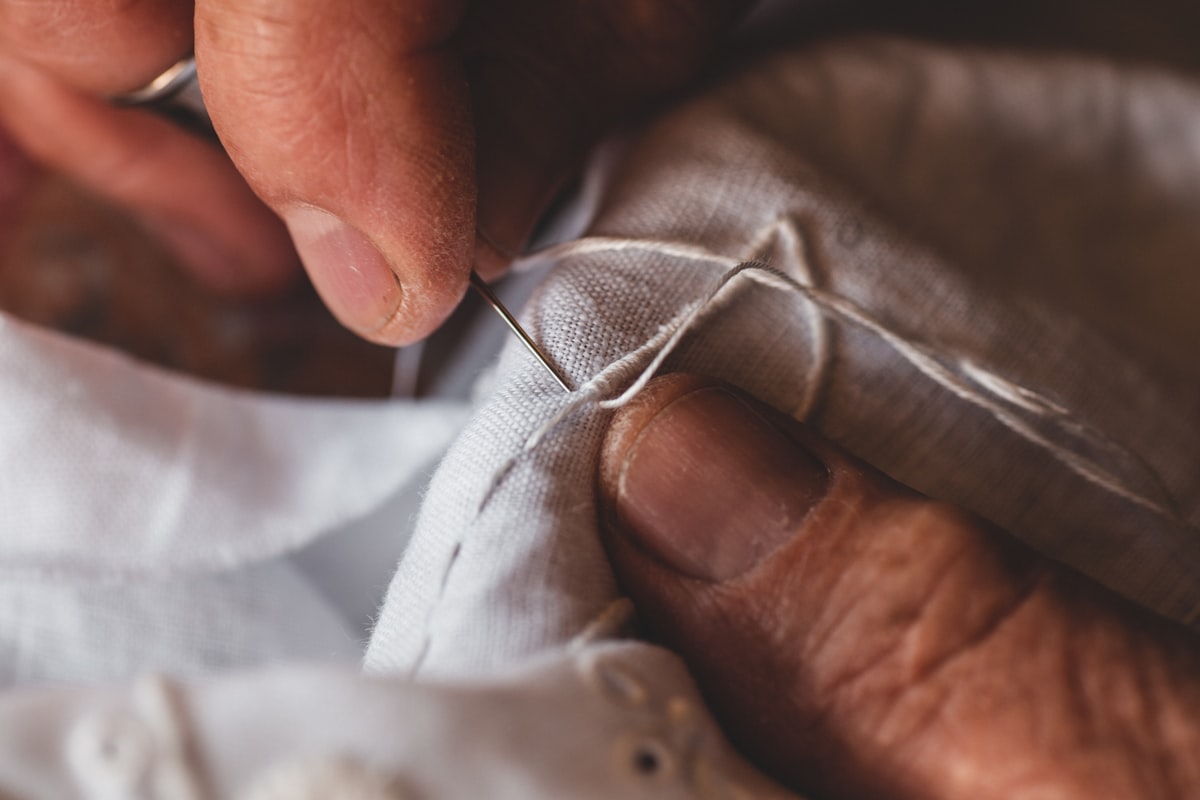
Visual storytelling is particularly powerful for craft brands. Invest in high-quality photography that captures both your finished products and your process. Show the workshop, the tools, the materials, and yes, your hands at work. These images help customers understand the human element behind your products. Video content can be even more compelling—short clips of you working, explaining techniques, or sharing the story behind a particular piece can create deep emotional connections with potential customers.
Don’t forget to highlight the durability and longevity aspects of handcrafted items. In our throwaway culture, products that are built to last—and can even be repaired or restored—represent significant value to conscious consumers.
Creating Consistent Brand Experiences
Craftsmanship brands succeed when every customer touchpoint reflects the care and attention that goes into the making process. This means your brand experience should feel as thoughtfully crafted as your products.
Your packaging, for instance, should reflect your values. If you’re committed to traditional techniques, perhaps your products arrive wrapped in brown paper tied with twine, with a handwritten note explaining the piece. If sustainability is part of your story, use recycled or biodegradable materials. The unboxing experience should feel intentional and special.
Your communication style should also reflect your craft values. Are you approachable and educational, sharing knowledge about your techniques? Are you more exclusive and premium, emphasizing the rarity of your skills? Your voice should be consistent across your website, social media, email communications, and in-person interactions.
Consider creating educational content that positions you as an expert in your craft. Blog posts about techniques, the history of your craft, or care instructions for your products not only provide value to customers but also demonstrate your expertise and passion. This approach works particularly well for crafts with rich traditions—something Fall River’s makers understand well, given the city’s deep manufacturing heritage.
Building Customer Relationships Through Craft
One of the biggest advantages craft brands have over mass-produced alternatives is the ability to build personal relationships with customers. People who value handcrafted items often want to know the maker, understand the process, and feel connected to the creation story.
Consider offering workshops or studio tours where customers can see your process firsthand. This not only creates additional revenue streams but also deepens customer relationships and often leads to word-of-mouth marketing. Even simple behind-the-scenes content on social media can help customers feel more connected to your work.
Customization and made-to-order services can be powerful differentiators for craft brands. While mass manufacturers struggle with customization, individual makers can often accommodate specific requests, preferred materials, or personalized touches. This flexibility becomes a key selling point and often allows for premium pricing.
Develop a system for staying in touch with past customers. Handcrafted items often require care or maintenance over time, and positioning yourself as a long-term resource builds loyalty and often leads to repeat business or referrals.
Scaling Without Losing Your Soul
As demand for your work grows, you’ll face the challenge of scaling production while maintaining the craftsmanship standards that built your brand. This is where many artisan makers struggle—how do you grow without becoming just another manufacturer?
The key is identifying which elements of your process are essential to your brand and which can be optimized or delegated. Perhaps you can train apprentices to handle certain preparatory work while you focus on the most skilled aspects of production. Maybe you can invest in tools that speed up repetitive tasks without compromising the handmade nature of your work.
Consider developing product lines at different price points. Your premium, fully handcrafted pieces maintain your brand’s prestige, while simplified versions or smaller items can serve customers with different budgets while still reflecting your craftsmanship standards.
Ready to Build Your Craft Brand?
Building a successful brand around craftsmanship requires the same attention to detail and commitment to quality that goes into your making process. It’s about honoring your skills while meeting market demands, staying authentic while being commercially viable.
At F3 (Forge, Fiber & Fabrication), we understand the unique challenges artisan makers face when scaling from hobby to commercial production. Our Fall River incubator provides not just workspace and equipment, but also the business support, marketing guidance, and community connections you need to build a brand that truly reflects the value of your craftsmanship. Ready to take your craft business to the next level? Let’s talk about how F3 can help you forge a brand as strong as your making skills.
TAGS:
Ready to Transform Your Artisan Business?
Join F3 and get access to equipment, mentorship, and a community of makers scaling to commercial production.