Building a Brand Around Craftsmanship: From Artisan Heritage to Market Success
Transform your handmade products into a compelling brand story that resonates with customers and drives sales in today's competitive marketplace.
February 4, 2026
•
By F3 Team
Building a Brand Around Craftsmanship: From Artisan Heritage to Market Success
In an age of mass production and automation, there’s something deeply compelling about products made by hand. Consumers increasingly seek authenticity, quality, and connection to the makers behind their purchases. For artisan manufacturers, this presents an incredible opportunity—but only if you know how to translate your craftsmanship into a brand that resonates in the marketplace.
Fall River, Massachusetts, understands this better than most. Once the textile capital of America, this city built its reputation on the marriage of skilled craftsmanship and innovative manufacturing. Today’s artisan makers can learn from that legacy while carving their own path to commercial success.
The Foundation: Defining Your Craft Story
Every great brand begins with a story, but craftsmanship-based brands have a unique advantage: authenticity is built into your DNA. Your story isn’t just marketing copy—it’s the genuine narrative of skill, passion, and dedication that goes into every piece you create.
Start by identifying what makes your craft distinctive. Is it a traditional technique passed down through generations? A innovative approach to solving an old problem? Perhaps it’s your commitment to sustainable materials or local sourcing. Whatever it is, this core differentiator becomes the foundation of your brand identity.
Consider Sarah, a leather artisan who started crafting handbags in her garage. Rather than simply marketing “handmade leather goods,” she built her brand around the story of transforming discarded materials into heirloom-quality pieces. Her brand became synonymous with environmental responsibility and timeless design—two values that commanded premium pricing.
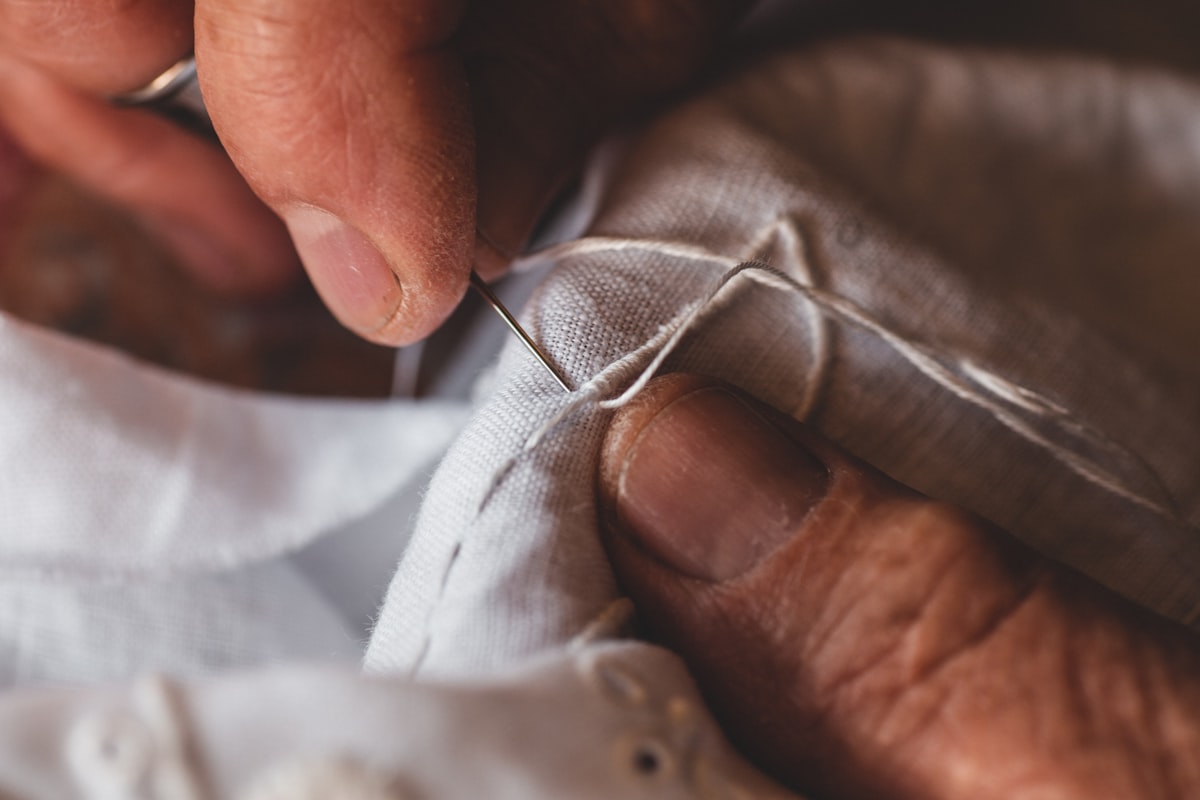
Document your process, your inspiration, and your journey. Take photos and videos of your workspace, your hands at work, and the transformation of raw materials into finished products. This visual storytelling becomes invaluable content for your brand communications.
Quality as Your North Star
In the craftsmanship world, quality isn’t just a feature—it’s your primary competitive advantage. While mass-produced items compete on price and convenience, artisan-made products compete on excellence, durability, and attention to detail.
Develop and communicate clear quality standards. What makes your product superior to mass-market alternatives? Is it the grade of materials you use? The time investment in each piece? The specialized techniques you employ? Make these differentiators visible and understandable to your customers.
Create quality control processes that ensure consistency as you scale. This might include detailed checklists, standardized measurements, or specific finishing techniques. Document these processes not just for internal use, but as content that demonstrates your commitment to excellence.
Consider implementing a quality guarantee or warranty that reflects your confidence in your work. This not only reduces purchase anxiety for customers but signals the durability and value of your products.
Authenticity in the Digital Age
Today’s consumers are savvy—they can spot manufactured authenticity from miles away. The key is to be genuinely, consistently yourself across all touchpoints. Your website, social media, packaging, and customer interactions should all reflect the same personality and values.
Share your learning journey, including challenges and failures. Customers connect with vulnerability and growth. Post about the new technique you’re mastering, the batch that didn’t turn out quite right, or the customer feedback that inspired a design improvement.
Be transparent about your processes and materials. Today’s conscious consumers want to know where their products come from and how they’re made. This transparency builds trust and justifies premium pricing.
Avoid the temptation to appear larger than you are. Small-scale, artisan production is a selling point, not a limitation. Celebrate the fact that each piece receives individual attention and care.
Scaling Without Losing Soul
One of the biggest challenges artisan makers face is maintaining their brand’s authentic, handcrafted feel as they grow. The key is strategic scaling that preserves your core values while improving efficiency and consistency.
Consider which elements of your process are essential to maintain by hand and which can be optimized or partially automated without compromising quality. Perhaps you can invest in better tools that speed production without reducing the skill required, or develop templates that ensure consistency while preserving the handmade aesthetic.
Fall River’s textile mills mastered this balance in the 19th century, using machinery to handle repetitive tasks while skilled artisans focused on design, quality control, and finishing work. This division allowed for greater production without sacrificing the craftsmanship that made Fall River textiles renowned worldwide.
As you grow, maintain the personal touch that customers value. This might mean handwritten thank-you notes, personalized packaging, or direct communication with customers about custom orders. These details become more valuable as they become rarer in your industry.
Building Community Around Your Craft
Successful craftsmanship brands don’t just sell products—they build communities of people who share their values and appreciate their artistry. This community becomes your most powerful marketing asset and your most reliable source of feedback and inspiration.
Share educational content about your craft. Teach customers about the materials you use, the techniques you employ, and how to care for their purchases. This positions you as an expert while deepening customer appreciation for your work.
Engage with other makers in your field and adjacent crafts. Collaboration often leads to innovation and cross-promotion opportunities. Consider participating in maker fairs, craft shows, and artisan markets where you can connect face-to-face with customers and fellow creators.
Encourage customer stories and user-generated content. When customers share photos of your products in their homes or daily lives, it provides social proof while expanding your brand’s reach organically.
The Path Forward
Building a brand around craftsmanship requires patience, consistency, and unwavering commitment to quality. It’s not about choosing between artisan authenticity and commercial success—it’s about finding the sweet spot where both thrive together.
Your craft is your competitive advantage, your story is your marketing foundation, and your commitment to quality is your path to premium pricing. By staying true to these principles while strategically scaling your operations, you can build a brand that honors your craft while achieving sustainable business growth.
Ready to transform your artisan skills into a thriving business? F3 (Forge, Fiber & Fabrication) helps makers in Fall River and beyond navigate the journey from hobby to commercial success. Our manufacturing incubator provides the resources, mentorship, and community support you need to build a brand that celebrates your craftsmanship while achieving your business goals. Contact us today to learn how we can help you scale your craft without losing its soul.
TAGS:
Ready to Transform Your Artisan Business?
Join F3 and get access to equipment, mentorship, and a community of makers scaling to commercial production.